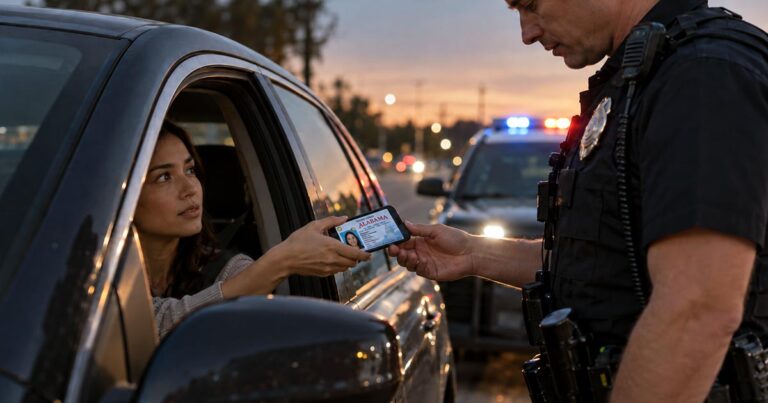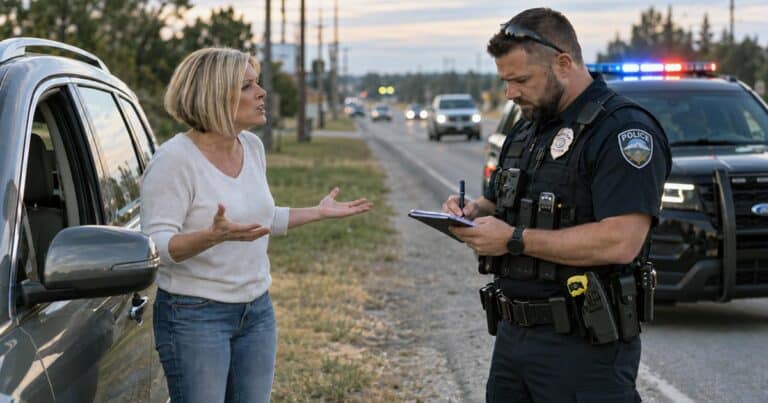
When you call the police, the officer who shows up usually knows a lot less about what’s happening than you think he does. Dispatch may have given him an address, a name, and a couple of sentences about why somebody called.
Meanwhile, you’ve been standing in the middle of the problem for twenty minutes, two hours, or six months. You’re already at the end of the story. The officer is just getting there.
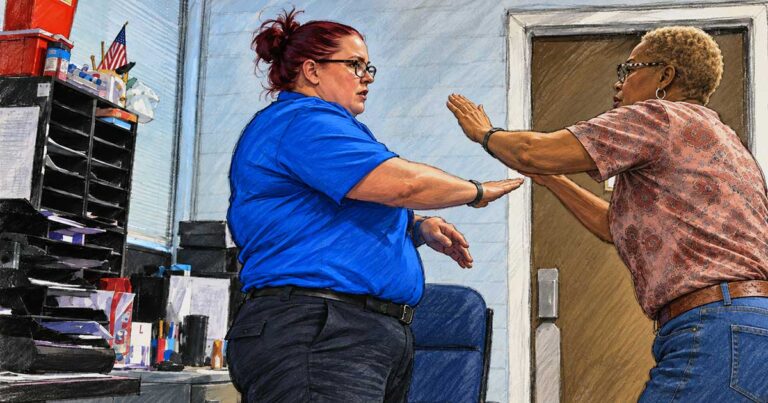
That’s why the first few minutes may not look like what you expected. If people are arguing, I may separate them before I hear the whole story. If somebody might be hurt, I’m checking on that first. If there’s a weapon involved, I’m probably more interested in where it is than in who started the argument. I’m trying to get the situation safe enough that I can figure out what actually happened.
Then I’m going to ask questions, including some you may have already answered. I may ask the same thing a different way or come back to something later. I’ll probably talk to the other person too, even if you’re certain they’re lying.
Subscribe to Field Notes
The stories and ideas I don’t want you to miss.
That doesn’t mean I don’t believe you. It means I haven’t decided yet.
Calling the police doesn’t put the callerA person who reports an incident, problem, or alleged offense to law enforcement. The complainant is not always the victim. in charge of the outcome. Sometimes the facts support exactly what the caller expected. Sometimes they support an arrestTaking a person into legal custody based on probable cause, a warrant, or another lawful authority., a ticketA written notice accusing a person of an offense and directing them to pay a fine, respond, or appear in court. A citation may be issued instead of a custodial arrest for some offenses., a report, or more investigation. Other times the problem is real but isn’t something the criminal law gives me the authority to fix.
That’s one of the harder conversations to have because “I can’t arrest somebody for this” can sound a lot like “I don’t care what happened.” Those aren’t the same answer.
There are also calls where I simply don’t know enough yet. Maybe I need video, messages, another witnessA person who saw, heard, knows, or can provide information about an incident or fact under investigation., records, or information I can’t get standing in somebody’s driveway at midnight. The officer leaving doesn’t necessarily mean the work is over.
What I do think people should get is an explanation when I can give one. If I’m not making an arrest, I should be able to explain why. If there’s more work to do, I can tell you that. If what you’re dealing with belongs in court or needs another agency or service, I’d rather tell you that than pretend the police can solve something we can’t.
It helps when the person who called gives me accurate information, including the parts they’re unsure about. If there’s video, save it. If there are messages, don’t delete them. If somebody else saw what happened, tell me. You don’t need to make the story sound worse to make me take it seriously. I need the version that’s true.
You may still disagree with what I do. There are calls where everybody involved walks away convinced the officer got it wrong. But when I show up, my job isn’t to decide that the person who called first must be right. It’s to make the situation safe, sort through what happened, and take whatever action the facts and the law actually support.