Most people know to call the police when something looks wrong. The harder part is knowing what information actually helps once you make that call. You don’t need to investigate anything yourself or decide whether a crime has been committed. What helps is telling us what you actually saw, where it happened, and what is happening now.
Start with the location. A street address is best, but a business name, intersection, nearby landmark, or a good description of the area can still give officers somewhere to start. If the person or vehicle is moving, direction helps too. “Heading north on Main Street” tells us a lot more than “they left.”
Then describe what caught your attention.
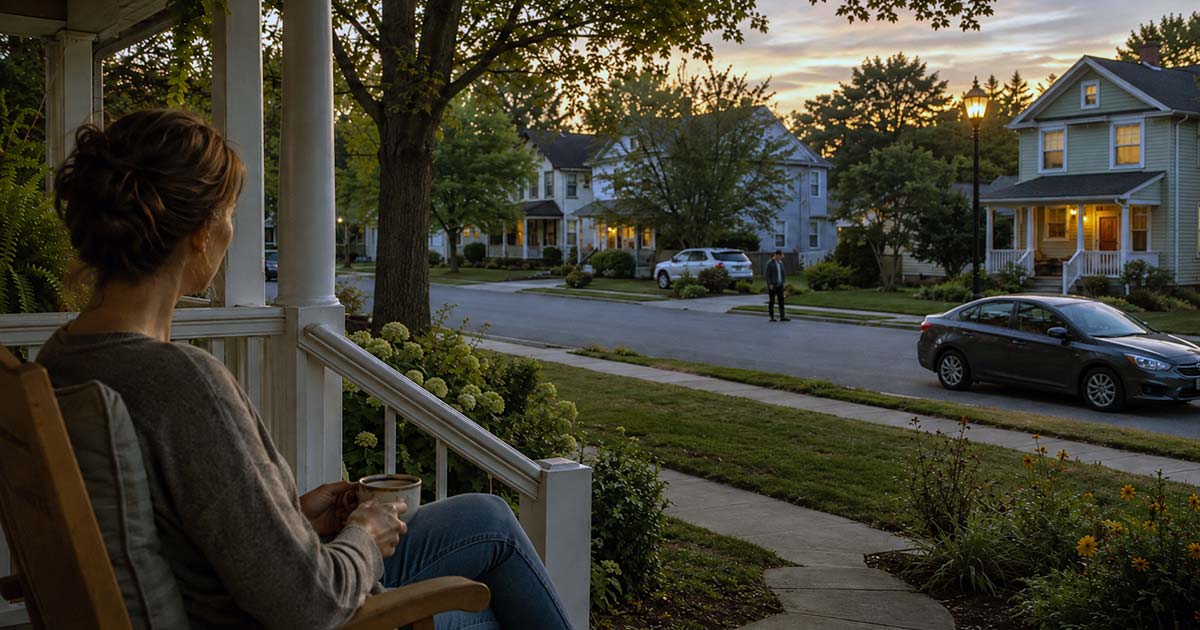
Saying somebody is “suspicious” doesn’t give us much to work with by itself. Telling us that somebody is trying car doors, looking through windows, hiding when vehicles pass, or circling the same property several times gives us something we can actually evaluate.
Subscribe to Field Notes
The stories and ideas I don’t want you to miss.
The same goes for descriptions. Clothing, approximate height, vehicle color and type, a tag number, damage, stickers, or anything else that stands out can help. You don’t have to remember everything, and guessing usually doesn’t make the information better. If you know it was a dark pickup but aren’t sure whether it was black or dark blue, say that. If you didn’t see the tag, don’t make one up.
Time can change what officers do with the information too. Something happening right now is different from something you noticed two hours ago. If the person has already left, tell the dispatcher roughly when and which way they went. That can help officers decide where to look and may also matter later if they’re checking cameras or trying to find witnesses.
If there’s an immediate danger, say that clearly. A weapon, threats, an assault, or something else that makes you believe somebody may be in danger can change both the priority of the call and how officers approach it.
What I don’t want you doing is moving closer to get a better description.
Don’t follow somebody, confront them, or put yourself in the middle of whatever is happening just so you can give us more information. A partial description from a safe distance is more useful than a better description that turns you into another person we have to worry about.
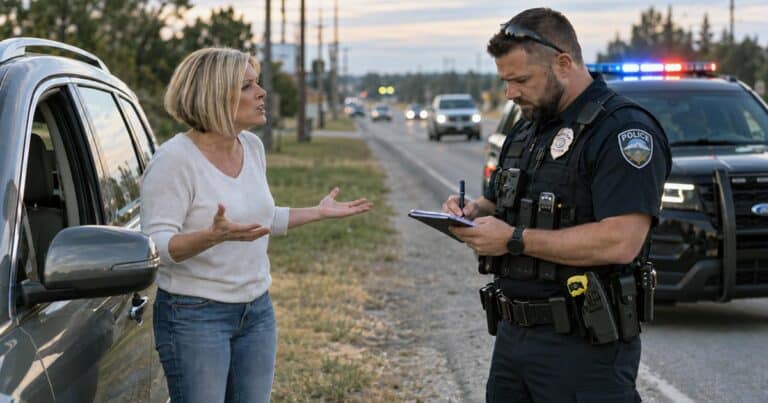
The most useful callerA person who reports an incident, problem, or alleged offense to law enforcement. The complainant is not always the victim. isn’t the one who has every answer. It’s the one who can tell us where it happened, when it happened, what they actually saw, what the person or vehicle looked like, where they went, and whether anyone appears to be in danger. That’s enough to give us a place to start while keeping you where you should be: a witnessA person who saw, heard, knows, or can provide information about an incident or fact under investigation., not an investigator.