I understand why people ask for a supervisor. Sometimes they think the officer is wrong. Sometimes they don’t trust what they’re being told. Sometimes they think another officer will see it differently. And sometimes they’ve watched enough videos online to think asking for a supervisor is the police version of speaking to the manager, where everything is supposed to stop until somebody with more stripes gets there.
You can ask. What you generally can’t do is turn the request into a timeout.
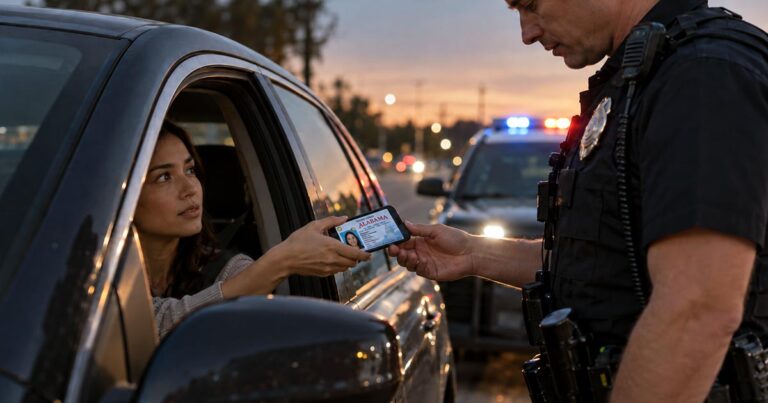
A traffic stopA temporary detention of a driver and vehicle by law enforcement to investigate a suspected traffic or criminal violation or another lawful concern. is probably the easiest example. If an officer has lawfully stopped you, the officer is allowed the time reasonably necessary to complete the mission of that stop. That can include dealing with the traffic violation, checking documents and records, addressing related safety concerns, and completing the warning, citationA written notice accusing a person of an offense and directing them to pay a fine, respond, or appear in court. A citation may be issued instead of a custodial arrest for some offenses., or other lawful action tied to the stop.
The Supreme Court has also made clear that officers can’t simply drag a traffic stop out beyond that mission without separate legal justification. Asking for a supervisor doesn’t change either side of that. It doesn’t give the officer extra time, and it doesn’t require the officer to freeze the stop until somebody else arrives.
Subscribe to Field Notes
The stories and ideas I don’t want you to miss.
It also doesn’t automatically require a supervisor to respond. Louisville policy doesn’t make the request itself a trigger for one, and that isn’t unusual. Police1 has addressed the same misconception: being allowed to ask for something isn’t the same as being entitled to it.
There are still plenty of reasons a supervisor might get involved. Policy may require notification because of what happened. An officer may want another set of eyes on a complicated situation. Things may be getting heated and another person might help settle them down. Those decisions come from the circumstances, not from somebody saying, “I want your supervisor.”
There’s also a practical side to this that gets lost when people assume every police department operates like a large agency. There isn’t always a supervisor sitting two blocks away waiting for somebody to ask for one. Depending on staffing and the time of day, the officer you’re dealing with may be the only officer immediately available.
That doesn’t mean there’s no accountability. It means accountability doesn’t depend on another officer physically appearing on the roadside because somebody demanded it. If you think the officer got it wrong, there are ways to deal with that after the encounter. You can request the report through the police department, challenge the citation, ask for review, or use the department’s complaint process.
So, yes, you can certainly ask for a supervisor. But you shouldn’t expect the words “I want your supervisor” to create a pause button, because in Louisville, Alabama, they don’t.