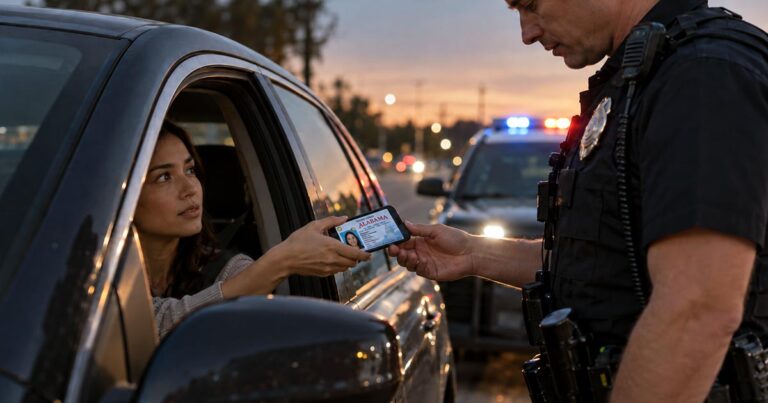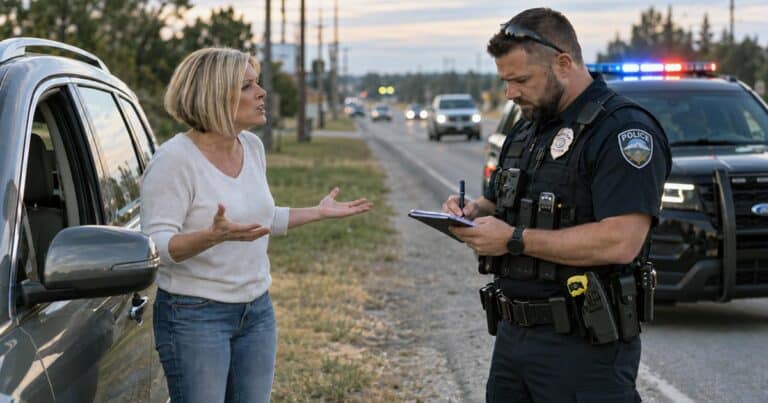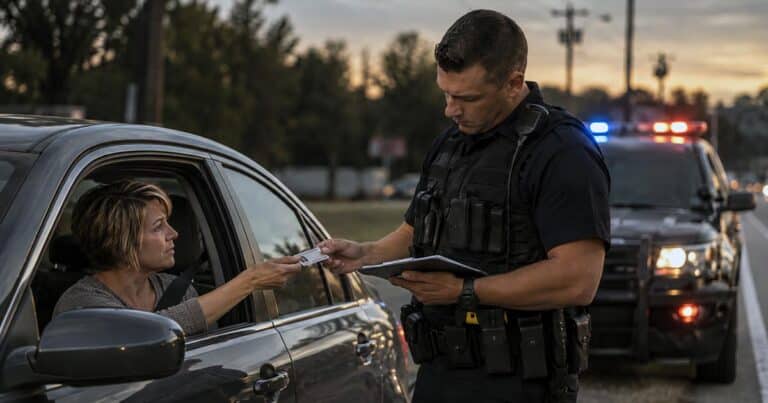
A police reportThe official written record of an event reported to or handled by law enforcement. It may include statements, observations, actions taken, and identifying information. is a record of what somebody reported to law enforcement. It doesn’t establish that a crime occurred, and it doesn’t mean somebody has to be arrested. Sometimes an officer takes a report and begins an investigation. Other times, there’s nothing more for law enforcement to do with the information provided.
I understand why people get frustrated when they report something and nobody gets arrested. They believe they’ve been wronged, and they want something done about it. But the police can’t make an arrestTaking a person into legal custody based on probable cause, a warrant, or another lawful authority. simply because the complainantA person who reports an incident, problem, or alleged offense to law enforcement. The complainant is not always the victim. wants one. We have to look at what happened, what the law says, and whether the available facts support criminal charges.
There’s also responsibility on the complainant’s side. If somebody knowingly provides false information to law enforcement or lies under oath to obtain a warrant, they could find themselves facing criminal charges, including false reporting or perjury. They could also face a civil lawsuit for malicious prosecution if they initiated criminal proceedings without probable causeFacts and circumstances that would lead a reasonable person to believe a crime occurred or that evidence of a crime will be found in a particular place. and with malice. Filing a complaint in good faith is one thing. Deliberately misrepresenting what happened to get somebody arrested is something entirely different.
That’s where probable cause comes in. It doesn’t require proof beyond a reasonable doubt, which is what the prosecution must establish to convict someone. It does require facts sufficient to reasonably believe that a crime occurred and that the person accused committed it. A report might contain those facts, or it might not. The act of filing it doesn’t answer the question.
Subscribe to Field Notes
The stories and ideas I don’t want you to miss.
In Alabama, a person can take a complaint to a magistrate and seek an arrest warrantA court order authorizing law enforcement to take a named person into custody. even if the officer who took the original report didn’t make an arrest. The complainant swears to the facts supporting the allegation, and the magistrate decides whether those facts establish probable cause. An officer declining to pursue charges doesn’t necessarily close that option to the complainant. But neither does a complainant’s insistence require the magistrate to issue a warrant.
A sworn statement can be enough to establish probable cause when it provides credible, specific facts supporting the elements of an offenseThe specific facts the prosecution must prove beyond a reasonable doubt to establish that a person committed a particular crime.. It isn’t automatically insufficient just because one person made the allegation. At the same time, saying somebody assaulted, threatened, or harassed you doesn’t by itself establish that the legal requirements for that charge have been met. The facts behind the accusation are what the magistrate has to evaluate.
Clayton, Alabama, Mayor Kathy Thomas’s arrest on May 22 is a good example of why I think this deserves more attention. Rescue squad employee Krista Daniels accused Thomas of assault after an encounter with the mayor.
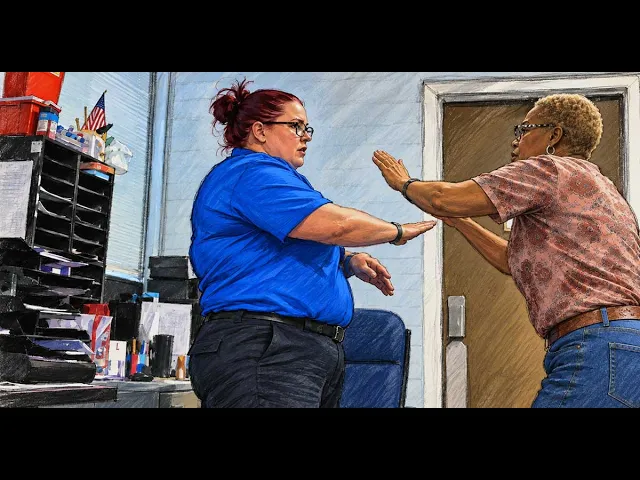
In a small town, that decision can carry consequences long before a case ever reaches a courtroom. An arrest can affect a person’s reputation, employment, family, and finances, even if the charge is eventually dismissedA court's termination of a charge or case. A dismissal does not always prevent the charge from being filed again. or the person is found not guilty. That’s why the probable cause determination can’t be treated as a formality or as a way to satisfy someone who wants another person arrested.
People have every right to report what they believe is a crime, and they should expect their complaints to be considered. They don’t get to decide whether somebody else gets arrested. That’s a legal determination based on the facts, not a service promised in exchange for filing a report.