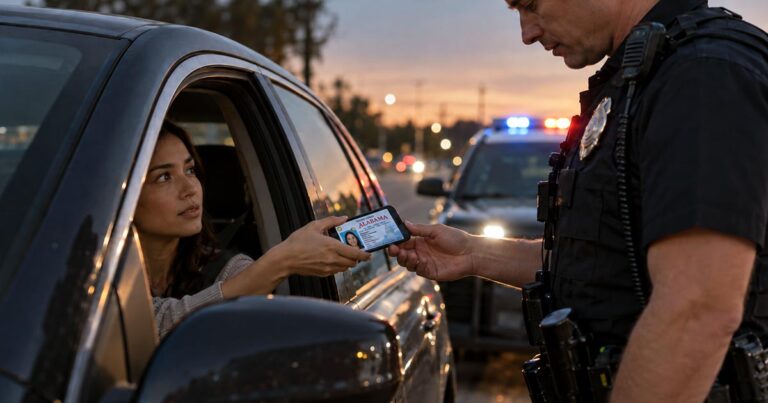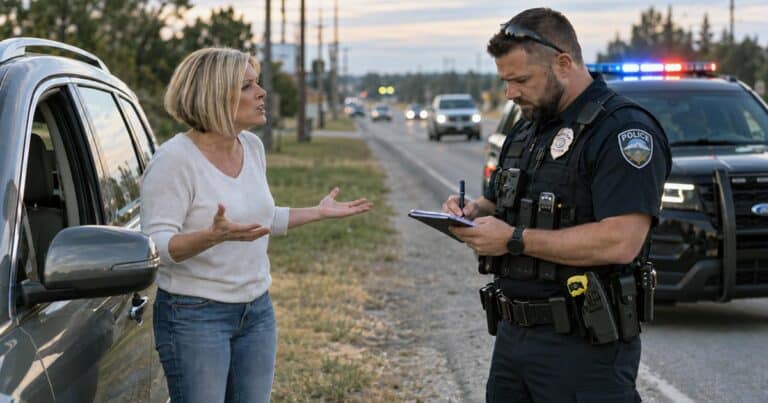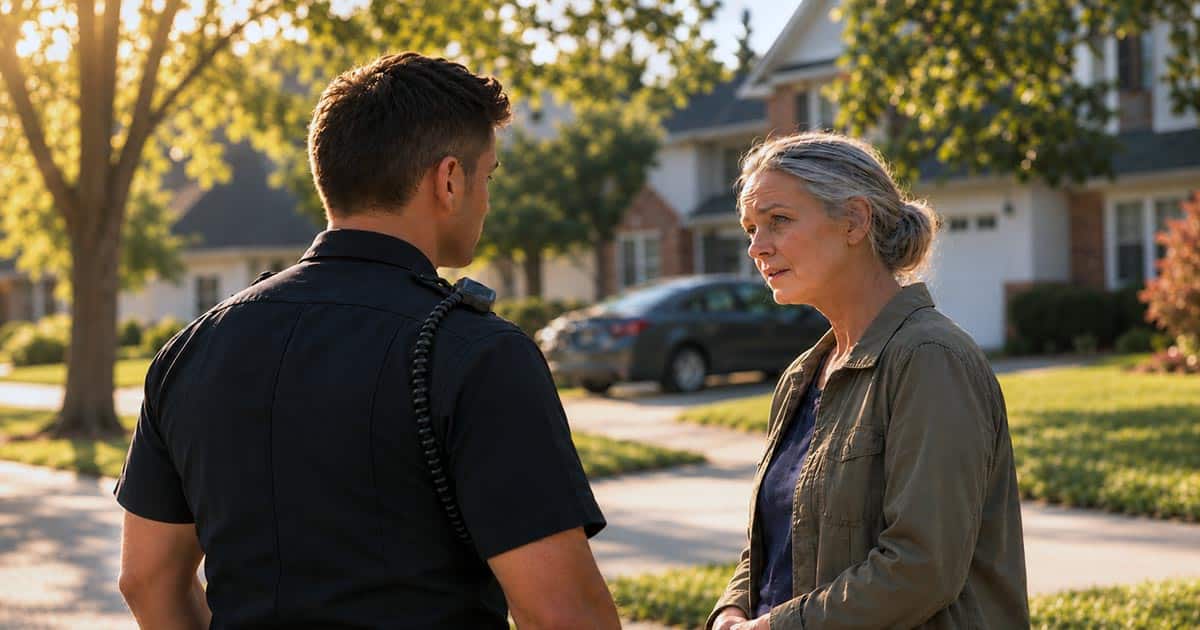
You see something happening in your neighborhood, call the police, and explain the problem. An officer comes out, talks to a few people, and leaves without arresting anyone. From your side, it may look like nothing happened.
Sometimes the officer could have explained the response better. But there are also times when we know something is wrong and still don’t have what the law requires to stop somebody, search their property, write a ticketA written notice accusing a person of an offense and directing them to pay a fine, respond, or appear in court. A citation may be issued instead of a custodial arrest for some offenses., or make an arrestTaking a person into legal custody based on probable cause, a warrant, or another lawful authority..
Calling the police gets an officer there. It doesn’t guarantee the result you had in mind.
Most calls begin with what somebody saw, heard, or experienced. You may report a suspicious vehicle that keeps driving through the neighborhood. A neighbor may be playing loud music. Somebody may be crossing your property. You may believe a driver speeds past your house every afternoon.
Subscribe to Field Notes
The stories and ideas I don’t want you to miss.
You may be completely right that something is going on. You may also be looking at it from one window, one driveway, or one side of a dispute. Sometimes there’s a crime there. Sometimes there isn’t. Sometimes the officer can ask questions, document what happened, or spend more time in the area and still not have enough to stop, search, cite, or arrest anybody.
That can look like we didn’t do anything, especially when you were the one who called. But the complaint starts the response. It doesn’t usually give me extra authority once I get there.
What helps is detail. Dates, times, descriptions, video, messages, tag numbers, and the difference between what you saw yourself and what somebody else told you can turn a vague complaint into something an officer can actually work with. “Everybody knows what they’re doing” usually doesn’t give us much.
There are also times when the answer is that we aren’t the ones who can settle it. Property lines, ownership disputes, and other civil problems can be every bit as real as a criminal complaint, but calling the police doesn’t turn them into criminal cases.
Reporting a problem gives us a chance to look into it. Sometimes that ends with enforcement. Sometimes it ends with a report, a warning, more patrols, or the answer that we don’t have the authority to settle it.
You may not like the answer. You should at least understand what the officer can do and why.