One of the worst times to start building a relationship between the police and the community is when something has already gone wrong. Emotions are high, people want answers, and we’re expected to make decisions while everyone is trying to figure out whether they can trust each other.
I don’t expect everybody in town to know their police officers personally, and I certainly don’t expect them to agree with every decision we make. But there are things we need from the community to do our jobs effectively, just as there are things people should be able to expect from us. Neither side benefits when we wait until something goes wrong to figure out how that relationship is supposed to work.
In a small town, people tend to know what’s happening long before the police receive an official complaint. Neighbors talk, stories get passed around, and sometimes we’ll hear bits and pieces of a situation without anybody actually telling us what’s going on.
By the time someone finally calls, they may be frustrated that we haven’t done anything about a problem they believe we’ve known about for months. The trouble is, hearing that something might be happening isn’t the same as having enough information to do something about it.
Subscribe to Field Notes
The stories and ideas I don’t want you to miss.
Give us something we can work with
When someone calls to report a problem, I don’t need them to have everything figured out. That’s our job. I need them to tell us what they know, how they know it, and when it happened.
There’s a difference between witnessing something yourself and hearing about it from somebody else. Both may be useful, but we need to know which we’re dealing with. The same goes for details like descriptions, times, locations, or vehicles. An officer may be able to connect something you noticed to another incident, but we can’t make those connections with information we never receive.
I’d also rather hear about a developing problem while we still have some room to work with it. That doesn’t mean every disagreement between neighbors needs a police reportThe official written record of an event reported to or handled by law enforcement. It may include statements, observations, actions taken, and identifying information. or that officers should get involved in everybody’s business. But if something keeps happening, especially when there’s a reasonable concern about someone’s safety or property, waiting until the situation gets worse rarely makes our job any easier.
And don’t assume somebody else has already called. We probably don’t have someone monitoring every neighborhood or following every conversation around town, so if you want us to know about something, tell us. Of course, reporting a problem doesn’t guarantee we’ll be able to resolve it. Some disputes are civil, some behavior isn’t illegal, and sometimes we don’t have the evidenceInformation or an item that may help prove or disprove a fact in an investigation or court case. needed to take enforcement action. That can be frustrating when you’re the person dealing with it, but the police can’t make an arrestTaking a person into legal custody based on probable cause, a warrant, or another lawful authority. or issue a citationA written notice accusing a person of an offense and directing them to pay a fine, respond, or appear in court. A citation may be issued instead of a custodial arrest for some offenses. simply because somebody wants us to.
The other side of that is making sure people understand what we’re doing and why. When someone calls about a problem, they shouldn’t have to guess whether we took their complaint seriously. Even when we can’t take enforcement action, we can explain what we found, what the law allows, and whether there’s anything else we can reasonably do.
People may still disagree with our decision, and that’s fine. A community doesn’t have to agree with every outcome to have a working relationship with its police department.
The relationship can’t be one-sided
I can ask residents to communicate with us, report problems accurately, and give us the opportunity to address concerns before they become something worse. But I can’t reasonably expect any of that if people believe we’re going to ignore them, dismiss their complaints, or treat them differently because they’ve criticized the department.
That part is on us.
Police departments have to earn the confidence they want from the community. That starts with doing the job people expect us to do. Answering calls, following through on complaints, explaining our decisions when we can, and being willing to acknowledge when we’ve handled something poorly. People shouldn’t have to know the chief personally or attend a community event to get treated fairly.
A department that only wants to hear from people who support it isn’t building a relationship with the community. It’s surrounding itself with people who agree with it.
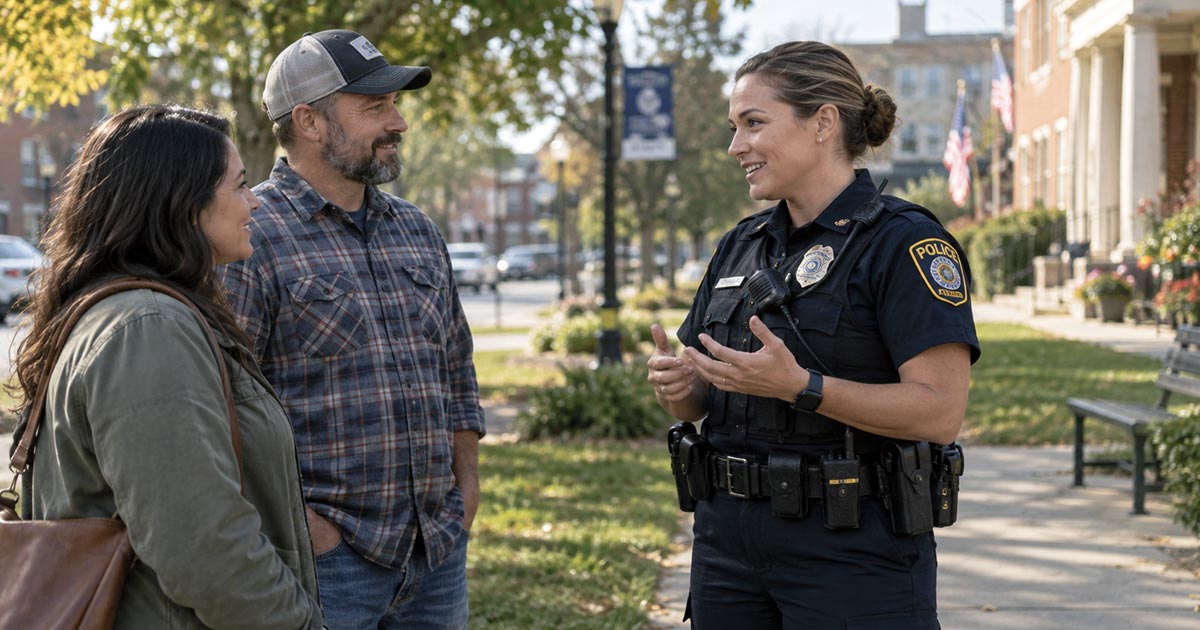
I also think we sometimes make community relations more complicated than they need to be. There’s nothing wrong with organized events or public meetings, but some of the most useful conversations happen during an ordinary day. Someone stops an officer to ask a question, a resident raises a concern, or a supervisor takes a few minutes to explain why something was handled a certain way. Those interactions give people an opportunity to know how we operate before they’re dealing with us under difficult circumstances.
Those conversations give us an opportunity to understand what people are experiencing, what concerns aren’t reaching us through official reports, and where we may be seeing a situation differently from the people living with it. They also give residents a better understanding of what we can do, what we can’t, and what they should reasonably expect when they call.
We’re not going to agree on everything, and we’re not going to solve every problem somebody brings us. But residents should be able to expect an honest effort from their police department, and we should be able to ask for accurate information and an opportunity to address problems before they get worse. That’s a relationship we can actually work with.