Skip to content

Featured Barbour County has always had more stories than answers

  • About
  • Contact
FacebookInstagramYouTube
Michael Saad
  • Home
  • Latest
  • Sections
  • Podcast
Michael Saad
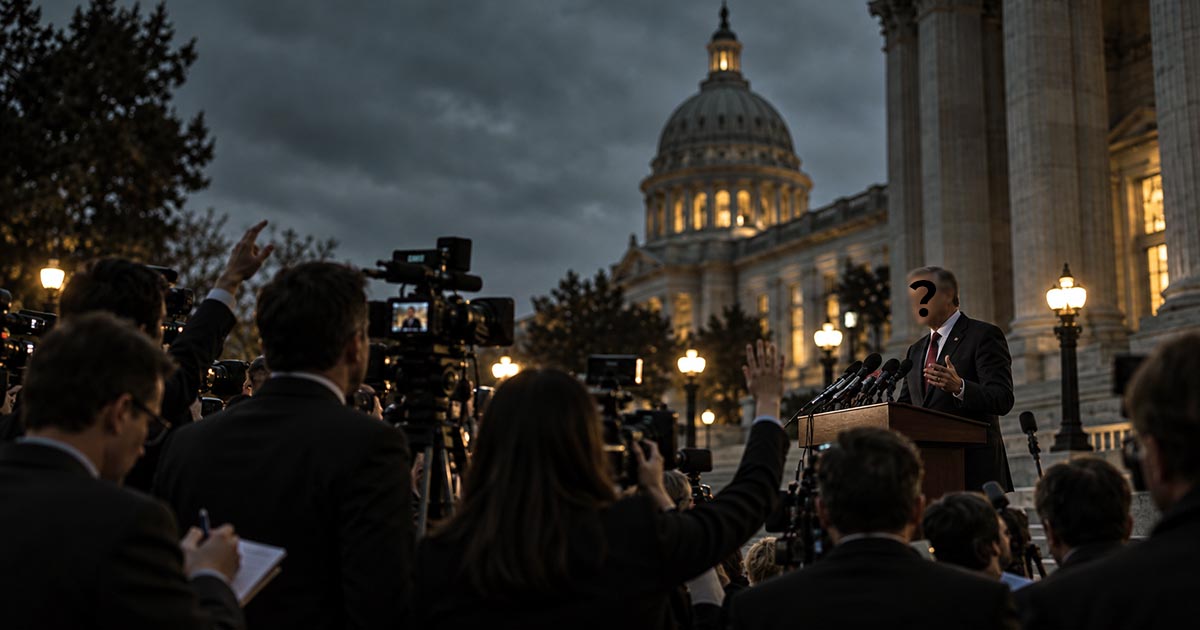
  • Politician answers questions from a crowded reporter pool outside a government building at dusk.
    Perspective

    Police power should never become political ammunition

    Police departments have access to things political organizations don’t. We can stop people, investigate them, obtain records, use surveillance systems, gather information, write reports, make arrests, and speak with the credibility that comes from an official badge and government authority. That power exists for a public purpose. Political policing starts when somebody tries to use…
    Read More Police power should never become political ammunitionContinue

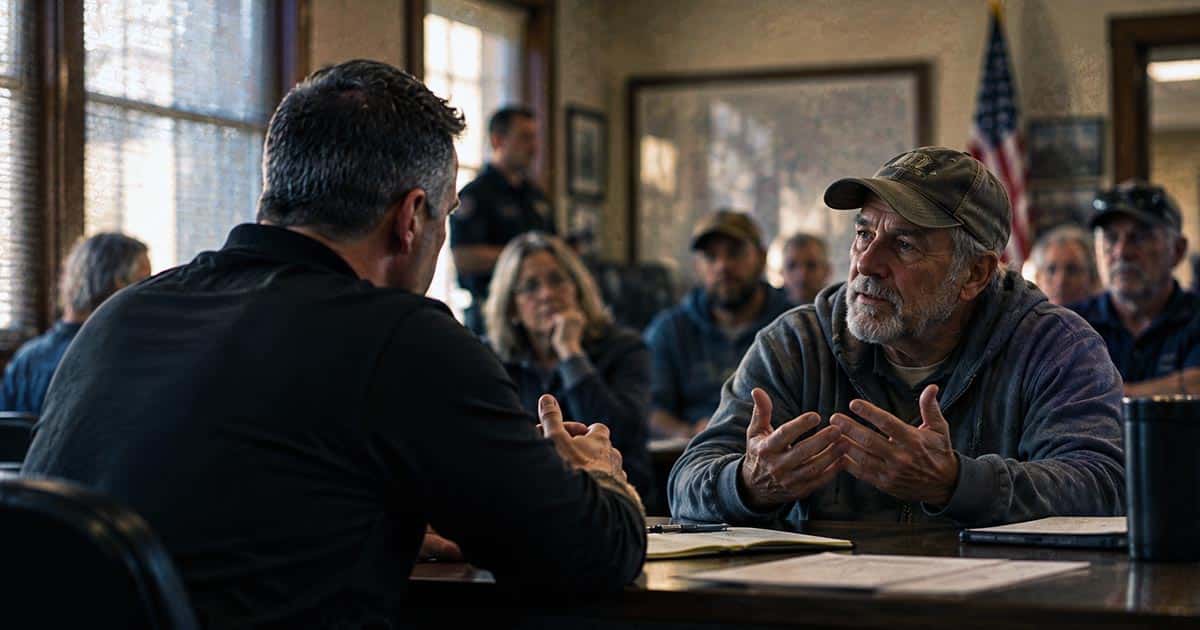
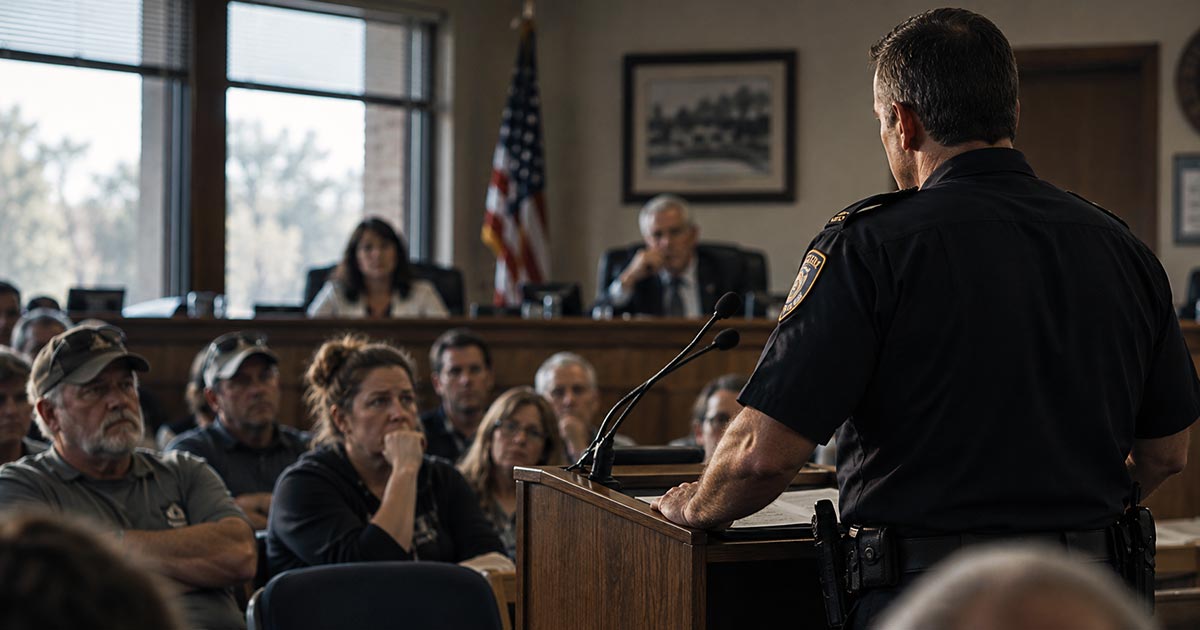
  • A police chief addresses concerned residents at a public meeting as community members listen with serious expressions.
    Perspective

    What does a chief owe the public while his own officers are under investigation?

    When one of my officers is under investigation, I have responsibilities to the public, the officer, and the department. Those responsibilities don’t always fit neatly together, especially when people want answers before the investigation has established what actually happened. I don’t believe transparency means telling everybody everything I know, and I don’t believe protecting an…

    Read More What does a chief owe the public while his own officers are under investigation?Continue

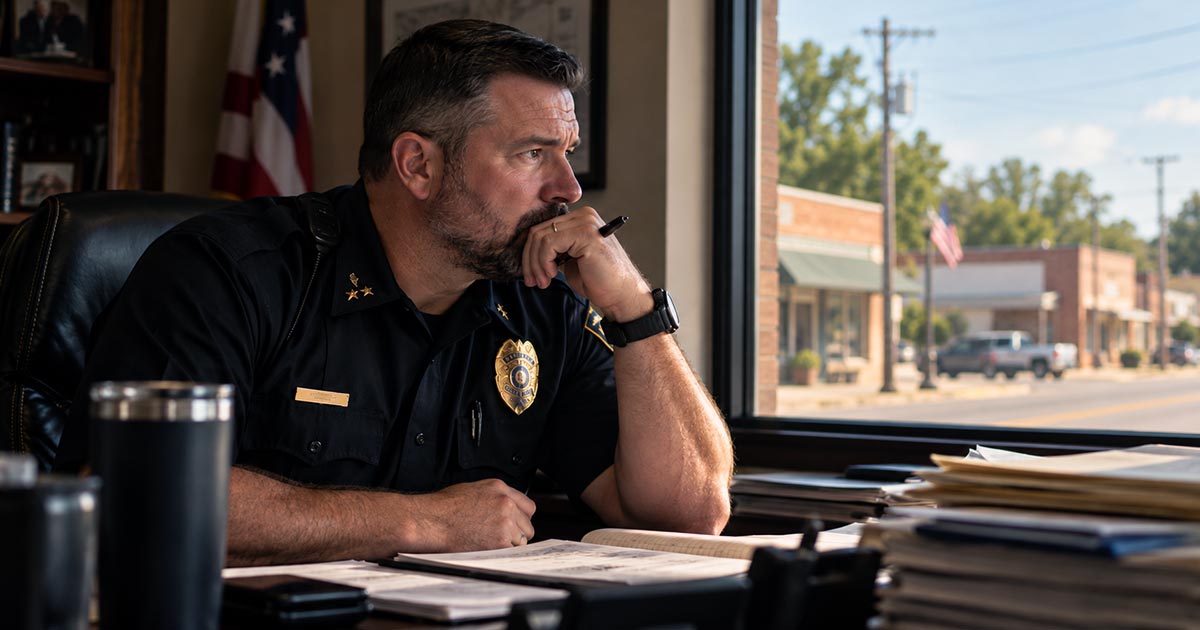
  • Police chief sitting at his desk, looking out a window toward a small-town main street.
    Perspective

    What happens when a police chief tells the truth about his own department?

    Everybody likes transparency when the answer makes the department look good. It’s easy to talk about accomplishments, successful investigations, improved response times, or something the department has done particularly well. The harder part comes when I have to acknowledge that something inside my own organization isn’t working the way it should, especially when admitting it…

    Read More What happens when a police chief tells the truth about his own department?Continue

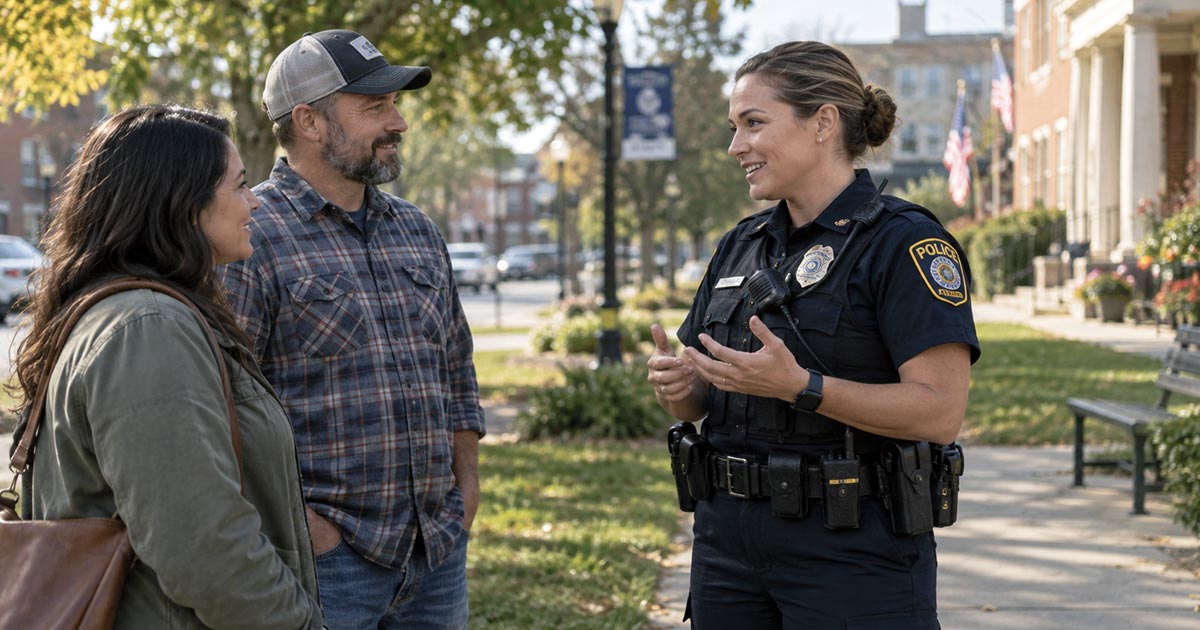
  • Female police officer speaking with two community members in a small-town public square.
    Breakdown

    What police and communities need from each other

    One of the worst times to start building a relationship between the police and the community is when something has already gone wrong. Emotions are high, people want answers, and we’re expected to make decisions while everyone is trying to figure out whether they can trust each other. I don’t expect everybody in town to…

    Read More What police and communities need from each otherContinue

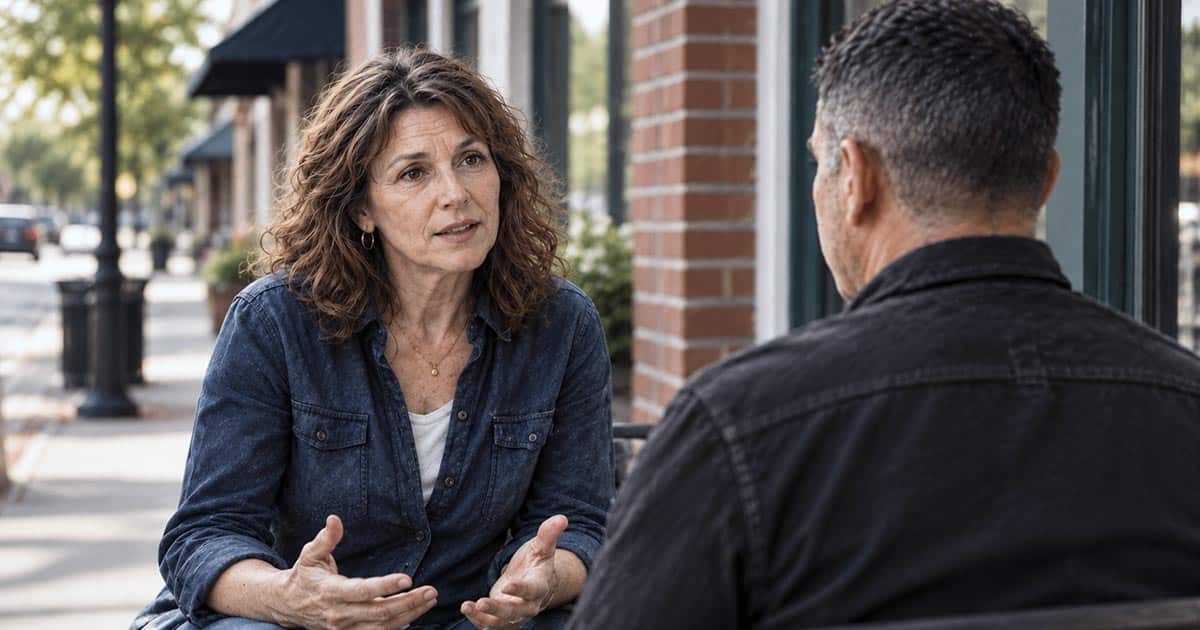
  • Two men having a serious discussion outside.
    Perspective

    A strong community doesn’t require everyone to agree

    I don’t expect everybody in my small town to agree with me, and I’d probably be a little suspicious if they did. I’m more interested in what happens after we disagree. In a place this size, the person who thinks I made a terrible decision today may be standing beside me at the store tomorrow….

    Read More A strong community doesn’t require everyone to agreeContinue

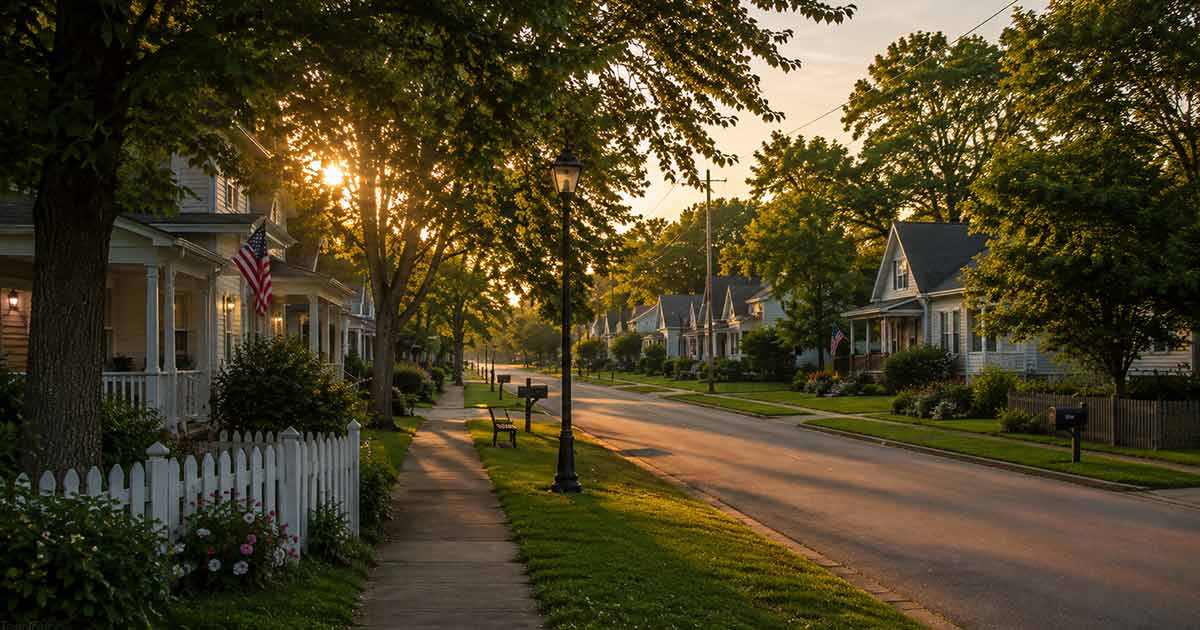
  • Quiet small-town residential street lined with homes, porches, trees, and American flags in the evening light.
    Perspective

    Small-town leadership is personal

    One thing about working in a small town is that very few decisions stay at the office. The person you dealt with this morning may be standing behind you at the grocery store that afternoon. The person you had to tell no may be sitting a few rows away from you at an event that…

    Read More Small-town leadership is personalContinue

  • Uniformed police officer talking with a man outside a small-town storefront.
    Perspective

    Trust is usually built before anyone needs the police

    When somebody really needs the police, there’s a good chance they’re already having a bad day. They may be scared, angry, confused, or worried about somebody they care about. That’s a terrible time for me to discover that the first relationship we’re trying to build with them is happening in the middle of a crisis….

    Read More Trust is usually built before anyone needs the policeContinue

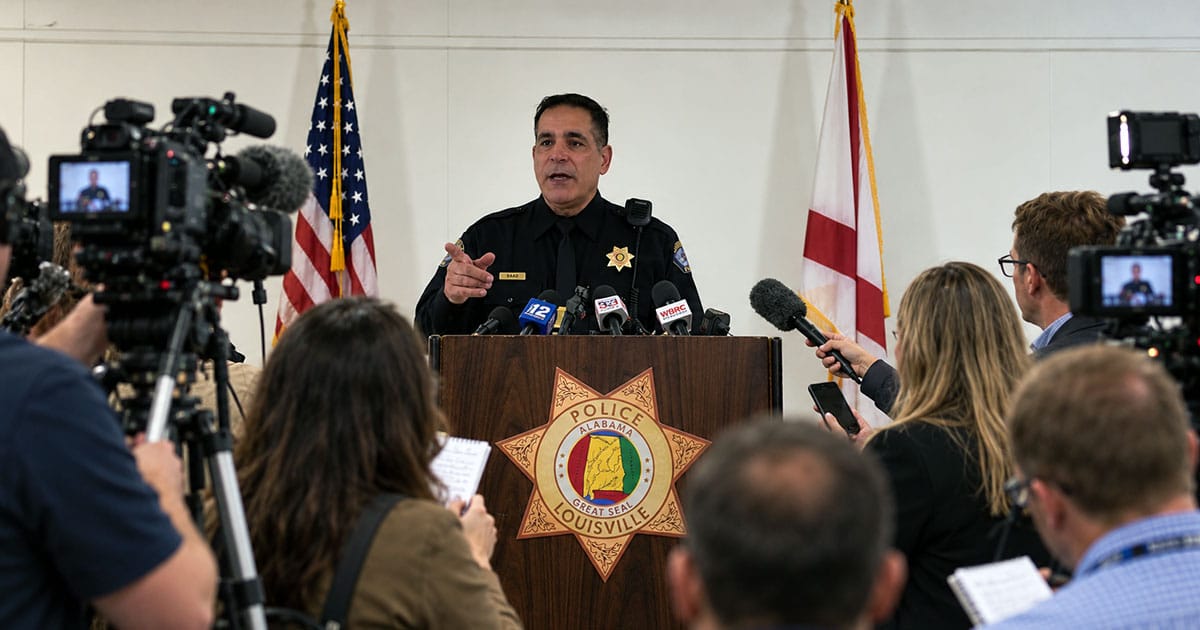
  • Police chief speaking at a podium while reporters, cameras, and microphones surround him during a press conference.
    Breakdown

    Why police can’t always tell you everything

    Sometimes I know more than I can tell you. That doesn’t mean I’m hiding something, and it doesn’t mean the department gets to say “no comment” and disappear. It means there are times when putting out everything we know would be a bad idea. Maybe two witnesses are telling us different stories. Maybe we have…

    Read More Why police can’t always tell you everythingContinue

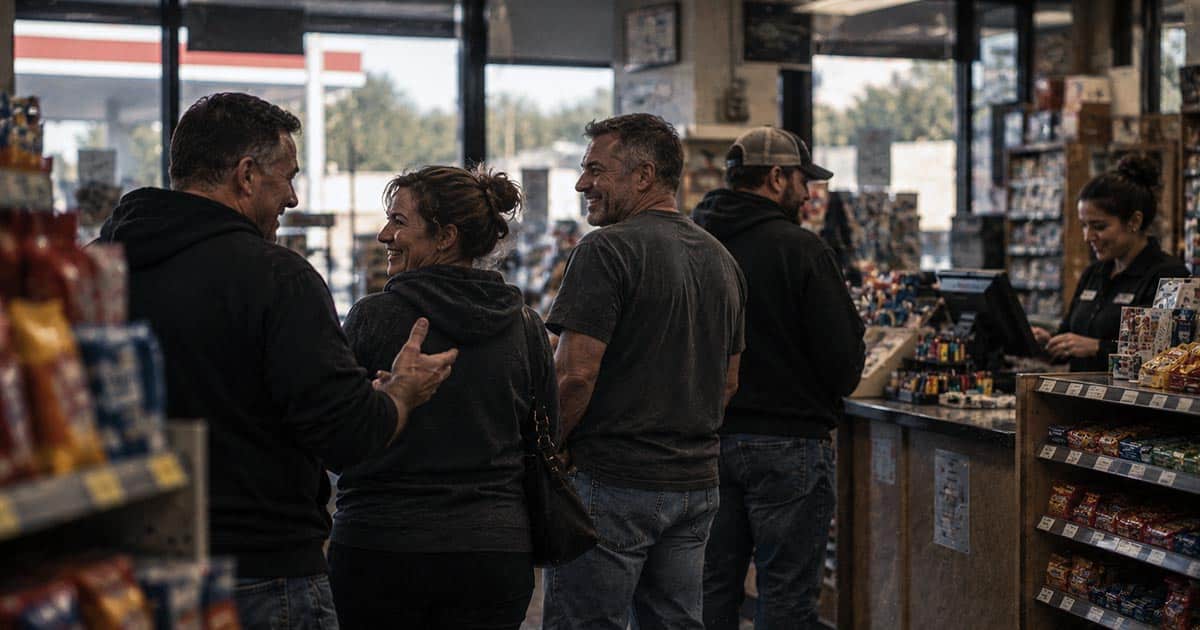
  • Customers standing in line at the counter inside a convenience store.
    Perspective

    What accountability looks like when everyone knows everyone

    Small-town accountability gets personal pretty fast. There’s a good chance I know the person I’m dealing with. I may know his parents, his kids, where he works, or what he ordered the last time I saw him at lunch. Sometimes I know everybody involved. That’s part of living and working in a small town, and…

    Read More What accountability looks like when everyone knows everyoneContinue

Michael Saad is a law enforcement veteran whose career has taken him around the world and eventually back to where it started.

READ MY STORY

Stay in the loop.

Get Field Notes

Trending

  • About
  • Latest
  • Sections
  • Podcast
  • Contact

© 2026 Michael Saad | Terms | Sitemap

FacebookInstagramSnapchat TikTokYouTubeLinkedin

The views expressed here are my own and do not necessarily represent the views or positions of any organization I’m affiliated with.

  • Home
  • About
  • Latest
  • Sections
  • Podcast
  • Subscribe
  • Contact
Search