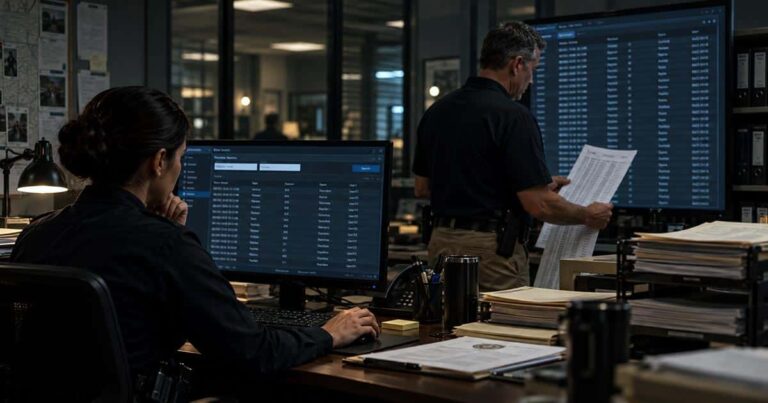
A chief can get a pretty clean version of a department without anybody lying. A sergeant gives the short version. Somebody trims it down again. A detail gets left out because it doesn’t seem important, or because it makes somebody look bad. By the time the story reaches the chief’s office, the part that might’ve changed the decision is gone.
That’s why I don’t want my office to be the only place I learn what’s happening in the department. Sergeants need to supervise, officers need room to make decisions, and the department shouldn’t fall apart because I left the building. I can hand off the work, but the responsibility still stays with me to know whether the people I put in those positions are doing the job and whether something underneath me isn’t working.
A shift can look adequately staffed on paper while the officers working it know one bad call will bury them. A supervisor can tell me morale is fine because nobody’s complaining when the truth is that people stopped expecting anything to change. A policy can look reasonable at my desk and be nearly useless at two in the morning.
I won’t learn all of that from reports and meetings. I ask employees how something is working and try to hear the answer before I start explaining why we did it that way. Sometimes the issue belongs with a supervisor, and I send it back there. I can listen without taking their responsibility away.
Subscribe to Field Notes
The stories and ideas I don’t want you to miss.
The same goes for an open door. There are good reasons mine may be closed: personnel matters, investigations, meetings, phone calls, or just needing time to get something done. An open-door policy doesn’t mean everybody can skip the chain of command whenever they don’t like an answer. But the chain of command is supposed to move information, not protect me from it.
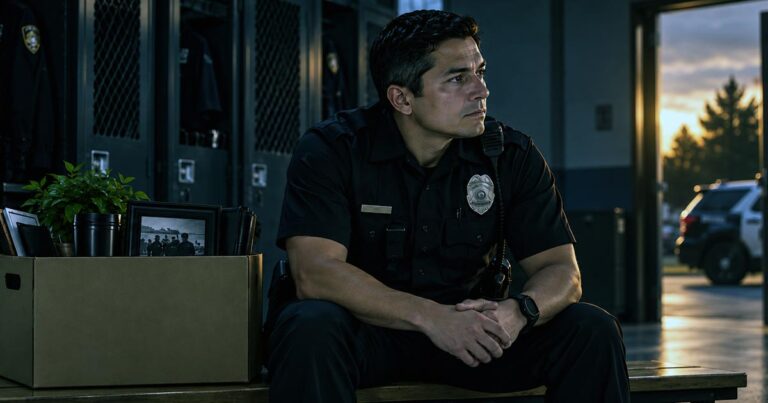
Weak supervision usually leaves signs before a formal complaint lands on my desk. Good officers stop volunteering. People lose interest in promotion. Somebody quits. Problems that used to get raised suddenly don’t.
Then something bigger happens, and I hear, “Everybody knew this was coming.” Maybe nobody told me. That happens. I still have to ask whether I built a department where it was too easy for me not to know.
I don’t need every detail of every call, and I don’t want officers waiting on me to make routine decisions. I need enough direct contact to know whether the department on paper looks anything like the one working outside my door.