There’s an old saying about having twenty years of experience versus having one year of experience twenty times. I’ve always thought that was a pretty good way of looking at it, particularly in law enforcement.
I’ve known officers who could tell you exactly how many years, months, and days they’d been on the job. They’d remind you of it every chance they got, especially if you happened to disagree with them about something. And I’ve known officers with a fraction of that time who I’d trust to handle just about anything that came their way.
You can spend an entire career answering calls, making arrests, writing reports, and going through the same routines without ever becoming particularly good at any of them. You learn enough to get through the day, figure out what works for you, and eventually stop questioning much of anything. After a while, you’ve been doing it so long that your experience becomes the explanation for why you’re right.
But there’s another side to experience that I think gets overlooked, especially when we start comparing officers from different departments.
Subscribe to Field Notes
The stories and ideas I don’t want you to miss.
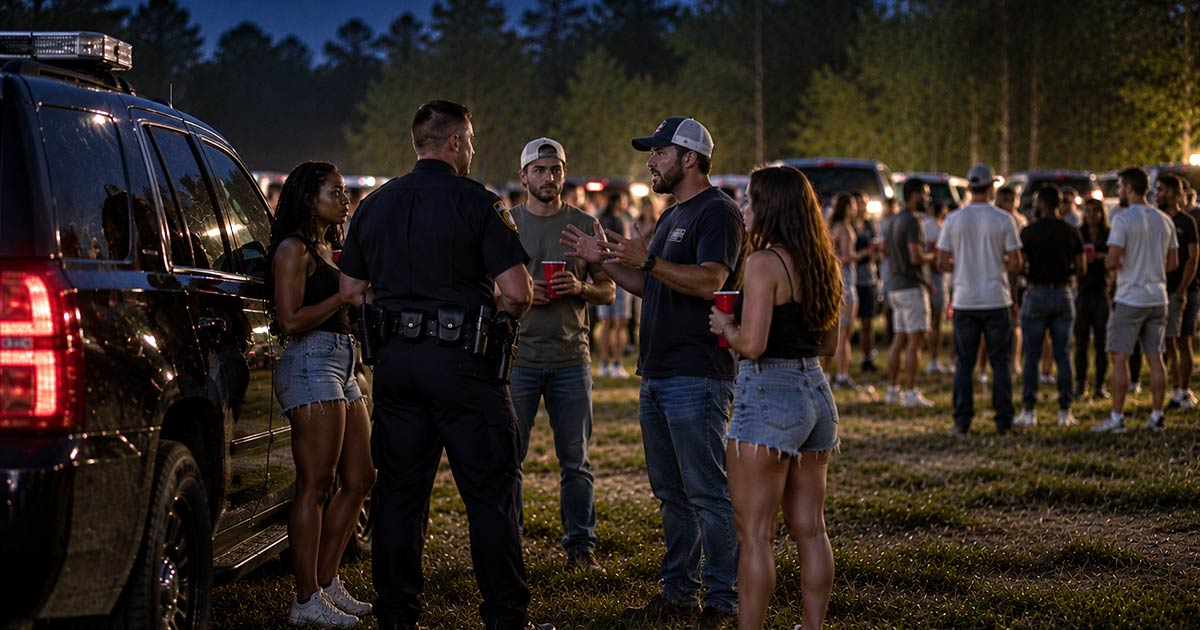
In a department like Louisville, and in plenty of other small departments across Alabama and the country, the mentality has to be different. The tactics have to be different. Most of the time, when we go on a call or conduct a traffic stopA temporary detention of a driver and vehicle by law enforcement to investigate a suspected traffic or criminal violation or another lawful concern., we’re it. There may not be another officer coming for quite a while, if at all.
Go to a larger department and you might find four officers backing up a traffic stop involving a blue-haired little old lady. Catch a robbery call? Hand it over to detectives. Arrive at a crash? Call the traffic unit. Meanwhile, an officer working in a rural community might be handling a domestic disturbance, a violent suspectA person whom investigators reasonably believe may have been involved in an offense. Being identified as a suspect is not a conviction., or a serious crash with nobody else available to help.
That changes how you do the job.
You learn to pay attention to things that might not seem particularly significant when you’ve always had other officers nearby. You learn how to talk to people, how to listen, and how to slow things down when you can. You have to be able to treat people like human beings, even when they’re upset, uncooperative, or having a bad day. And sometimes you have to make decisions knowing there isn’t anyone else there to make them for you.
Don’t get me wrong, that officer in the larger department may have opportunities and experiences we don’t have in Louisville. They may handle more calls in a month than one of our officers handles in several months. They may work specialized assignments, encounter more serious crimes, or have access to resources that a small department simply can’t provide.
But there’s a more personal side to working in a smaller department. We know our officers, their strengths, their weaknesses, and where they need to improve. There’s less opportunity for someone to get lost in the organization or become just another name on a training roster.
I can spend time working directly with an officer, see how they handle themselves, and tailor their development to what they actually need. And because we’re a small department, officers often get involved in things that might be handled by entirely different units in a larger agency.
That personal connection extends into the community, too. We’re often dealing with people we know, families we’ve known for years, and situations with histories that don’t begin and end with a single call for service. You learn to approach people differently when you know you’re going to see them again at the grocery store, at church, or around town.
That experience develops a different kind of judgment, one that doesn’t necessarily show up in an officer’s training record or arrestTaking a person into legal custody based on probable cause, a warrant, or another lawful authority. statistics.
I’ve worked in different environments throughout my career. I’ve seen how differently people develop depending on where they work, the responsibilities they’re given, and what’s expected of them. Those experiences have shaped how I approach a lot of things today, including how I evaluate my employees. I’m less interested in how long someone’s been doing a job than what they’ve actually done and learned along the way.
I appreciate officers who ask questions, including younger officers who haven’t been around long enough to accept that the way we’ve always done something is necessarily the best way. Sometimes they don’t understand why a practice exists, and there’s a good explanation for it. Other times, their questions expose something we probably should have reconsidered years ago.
I’ve had younger officers make me rethink things. I don’t see anything wrong with that. I’d be more concerned if I reached a point in my career where I thought there was nothing left for me to learn.
Twenty years on the job can mean an awful lot of experience. It can also mean someone got very comfortable doing the same things for twenty years. I think about that when we start deciding who’s qualified to supervise other officers.
I’ve never understood why someone who’s spent twenty years avoiding difficult decisions or resisting change should automatically be considered more qualified than an officer who’s spent five years taking difficult assignments, learning from mistakes, and actively developing their skills. Yet seniority still carries an awful lot of weight in those decisions.
I’ve benefited tremendously from experienced officers who took the time to teach me things I couldn’t have learned any other way. Some of the best lessons I’ve carried throughout my career came from people who’d been doing the job long before I arrived.
What stayed with me about those officers wasn’t how many years they’d been wearing a badge. It was what they knew, how they applied it, and what they were willing to pass along.