Skip to content

Featured Barbour County has always had more stories than answers

  • About
  • Contact
FacebookInstagramYouTube
Michael Saad
  • Home
  • Latest
  • Sections
  • Podcast
Michael Saad
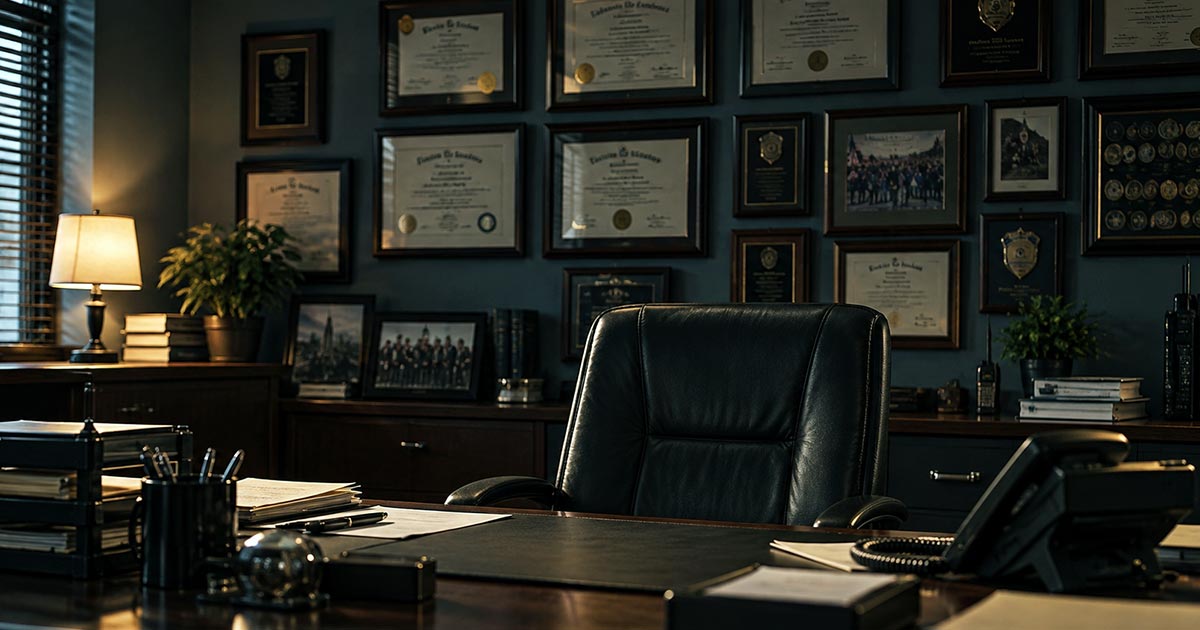
  • Empty leather office chair behind a wooden desk, with framed diplomas, certificates, and awards covering the wall behind it.
    Perspective

    Your degrees and schools don’t mean much if your officers won’t follow you

    I’ve seen some impressive resumes in my life. College degrees, command schools, leadership certifications, specialized training, and enough certificates to cover an “I love me wall.” There’s nothing wrong with any of that. I believe in education and training, and I think officers should take advantage of every opportunity they have to improve themselves. But…

    Read More Your degrees and schools don’t mean much if your officers won’t follow youContinue

  • Officer waits with a clipboard while a supervisor sits behind a desk surrounded by files.
    Perspective

    When your supervisor won’t decide because he’s scared of risk

    Sometimes an officer asks a supervisor what to do because he doesn’t know what to do. Sometimes he asks because the decision isn’t his to make. Those aren’t the same thing. I want officers who can think for themselves. If every traffic stop, report question, complaint, or minor problem has to go through a supervisor,…

    Read More When your supervisor won’t decide because he’s scared of riskContinue

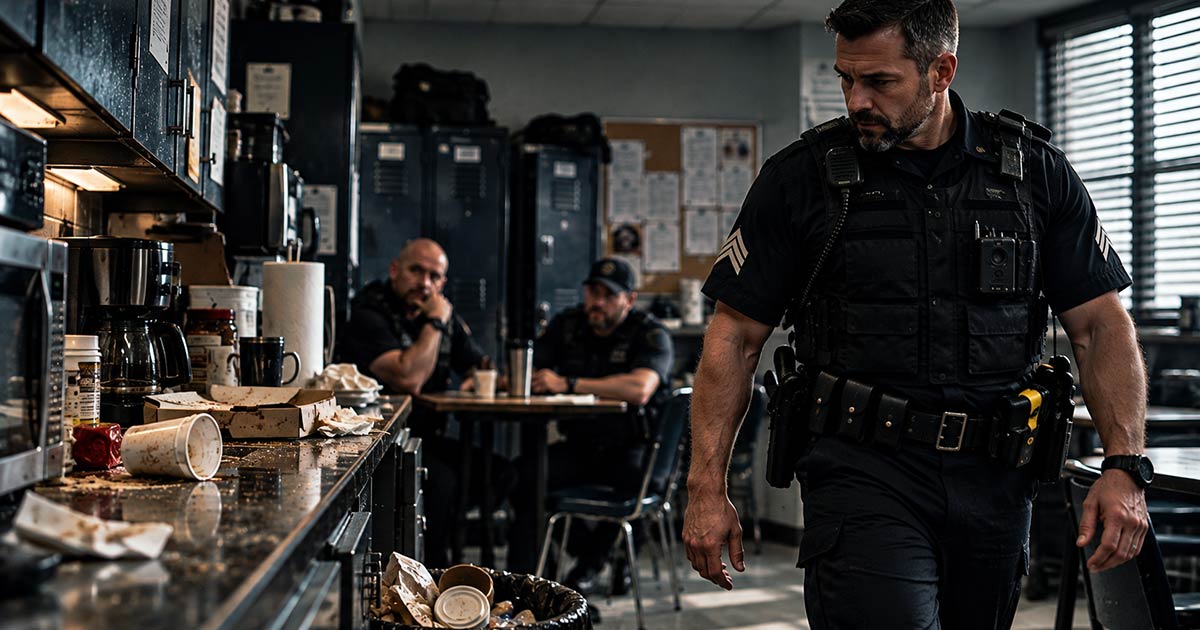
  • Police supervisor walking past a messy break-room counter while two officers watch.
    Perspective

    The standard you ignore becomes the standard you accept

    One of the easiest ways to lower a standard is to do nothing. I don’t have to change a policy or announce a new rule. I can just see the same problem enough times and keep walking past it. Eventually, everybody figures out that whatever the written rule says, this is what we actually accept….

    Read More The standard you ignore becomes the standard you acceptContinue

  • Police sergeant reviewing reports while an officer sits across the desk, illustrating police supervision and sergeant accountability.
    Perspective

    The officer screwed up. Now tell me what his sergeant knew.

    When a police officer screws up, the officer owns it. If he violated policy, used bad judgment, lied, mistreated somebody, failed to do the job, or made a decision he should’ve known better than to make, supervision shouldn’t become a way to explain that away. But once I understand what the officer did, I want…

    Read More The officer screwed up. Now tell me what his sergeant knew.Continue

  • Police chief sits at his desk looking through an open office door at officers working outside.
    Perspective

    You can’t lead a police department from behind a closed door

    A chief can get a pretty clean version of a department without anybody lying. A sergeant gives the short version. Somebody trims it down again. A detail gets left out because it doesn’t seem important, or because it makes somebody look bad. By the time the story reaches the chief’s office, the part that might’ve…

    Read More You can’t lead a police department from behind a closed doorContinue

  • Top employee receiving an office key during a promotion while coworkers look uncertain, illustrating the risk of promoting your best employee into leadership.
    Perspective

    Promoting your best employee can be a terrible idea

    They’re dependable, they know the work, and they’re usually the person everybody leans on when something needs to get done. That makes your best employee a serious candidate, but I still have to decide whether those strengths fit the job I’m about to give them. The job they’re doing well now may depend on being…

    Read More Promoting your best employee can be a terrible ideaContinue

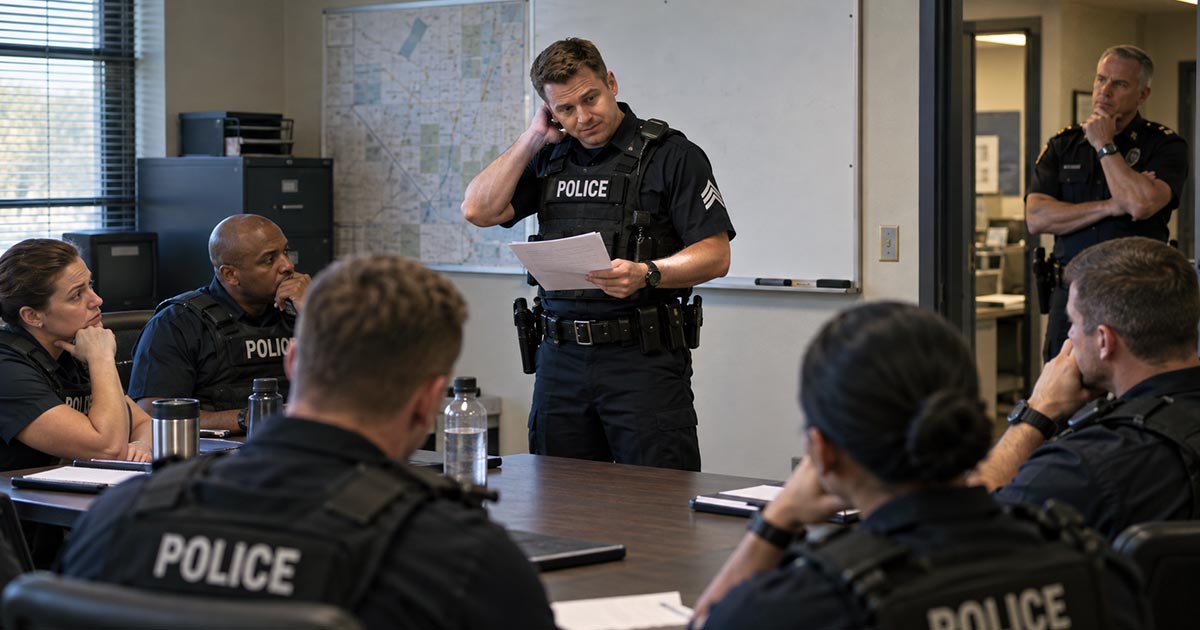
  • A nervous police sergeant leads a briefing while officers watch and a senior command officer observes from the doorway.
    Perspective

    Promoting the wrong person is bad. Leaving them there is worse.

    I’ve made personnel decisions that looked right at the time and didn’t work out. I can interview somebody, review their record, talk to people who’ve worked with them, and watch how they perform, only to discover later that I misjudged their ability to supervise other people. Sometimes the promotional process itself is the problem. Other…

    Read More Promoting the wrong person is bad. Leaving them there is worse.Continue

  • Supervisor comparing two employees with different work records, illustrating fair treatment at work and consistent standards.
    Perspective

    Equal treatment isn’t always fair treatment

    One of the easiest things for a supervisor to say is, “I treat everybody the same.” I understand why that sounds fair. Nobody wants favoritism, special treatment, or a boss who changes the rules depending on who is standing in front of him. But I don’t think fair treatment requires pretending every employee and every…

    Read More Equal treatment isn’t always fair treatmentContinue

  • Police supervisor discussing an assignment with an officer before giving them responsibility for the work.
    Perspective

    Delegation doesn’t transfer responsibility

    In a previous life, I delegated a lot more than I do now. I had to. I was responsible for more than 2,300 employees who depended, in one way or another, on the decisions I made, and there was no realistic way I could personally handle everything that came with that. On a normal day,…

    Read More Delegation doesn’t transfer responsibilityContinue

  • Supervisor reviewing a policy binder with a police officer at a desk.
    Perspective

    Accountability starts with clear expectations

    Holding somebody accountable for a standard I never made clear isn’t accountability. It’s me blaming them for something I assumed they knew. That’s an easy trap, because the longer you’ve been on the job, the more things start to feel obvious. I can look at a report and know what’s missing. I can hear about…

    Read More Accountability starts with clear expectationsContinue

Michael Saad is a law enforcement veteran whose career has taken him around the world and eventually back to where it started.

READ MY STORY

Stay in the loop.

Get Field Notes

Trending

  • About
  • Latest
  • Sections
  • Podcast
  • Contact

© 2026 Michael Saad | Terms | Sitemap

FacebookInstagramSnapchat TikTokYouTubeLinkedin

The views expressed here are my own and do not necessarily represent the views or positions of any organization I’m affiliated with.

  • Home
  • About
  • Latest
  • Sections
  • Podcast
  • Subscribe
  • Contact
Search