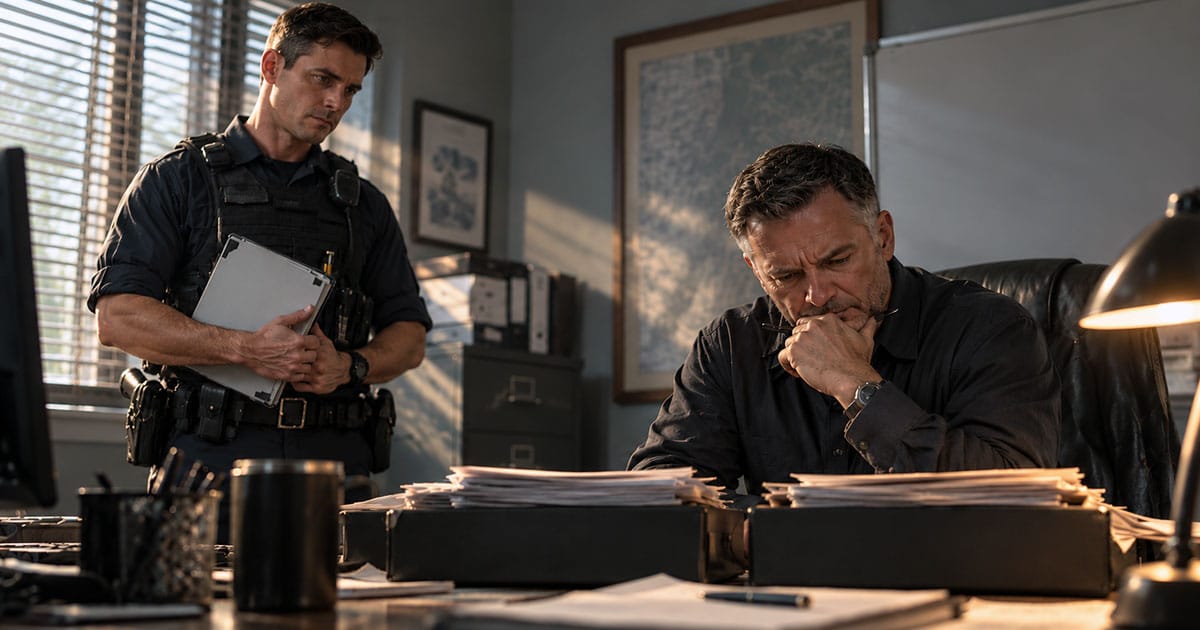
Sometimes an officer asks a supervisor what to do because he doesn’t know what to do. Sometimes he asks because the decision isn’t his to make. Those aren’t the same thing.
I want officers who can think for themselves. If every traffic stop, report question, complaint, or minor problem has to go through a supervisor, we’ve created officers who need permission to do their jobs. But “use your best judgment” can also be a great answer when the supervisor is scared to put his own name on the decision. The officer still has to do something, but the supervisor gets to stand back and see how it turns out. If it works, great. If it blows up, “Well, that was his decision.”
That’s not developing judgment.
That’s a weak leader pushing the risk downhill.
Subscribe to Field Notes
The stories and ideas I don’t want you to miss.
If an officer has the authority, enough information, and the decision belongs to him, I’ll leave it there. Make the call. I’ll support a reasonable decision even if it isn’t exactly the one I would’ve made.
The problem is when the decision has moved beyond the officer’s authority. Staffing, discipline, certain complaints, policy questions, or something that’s going to commit the organization may eventually belong to the person wearing the extra stripes.
There’s a difference between delegating authority and handing somebody else a decision because I don’t want the risk attached to it. If the decision belongs to me, leaving it with somebody else doesn’t make it theirs.
“I need more information” can become another way to avoid the same problem. Sometimes we really do need more information. Slow down. Check the policy. Read the report. Find out what actually happened.
But there isn’t always another fact coming that’s going to make the decision painless. Eventually you’ve got the information you’re going to have, and every available option carries some risk.
That’s the job.
When the decision belongs to me, I’d rather say it plainly: “This one’s mine. Here’s what we’re going to do.” I’ll explain the decision when I can, and if better information comes along later, I can change it.
I don’t want officers waiting on supervisors to think for them. I also don’t want supervisors making officers carry decisions they were promoted to make.