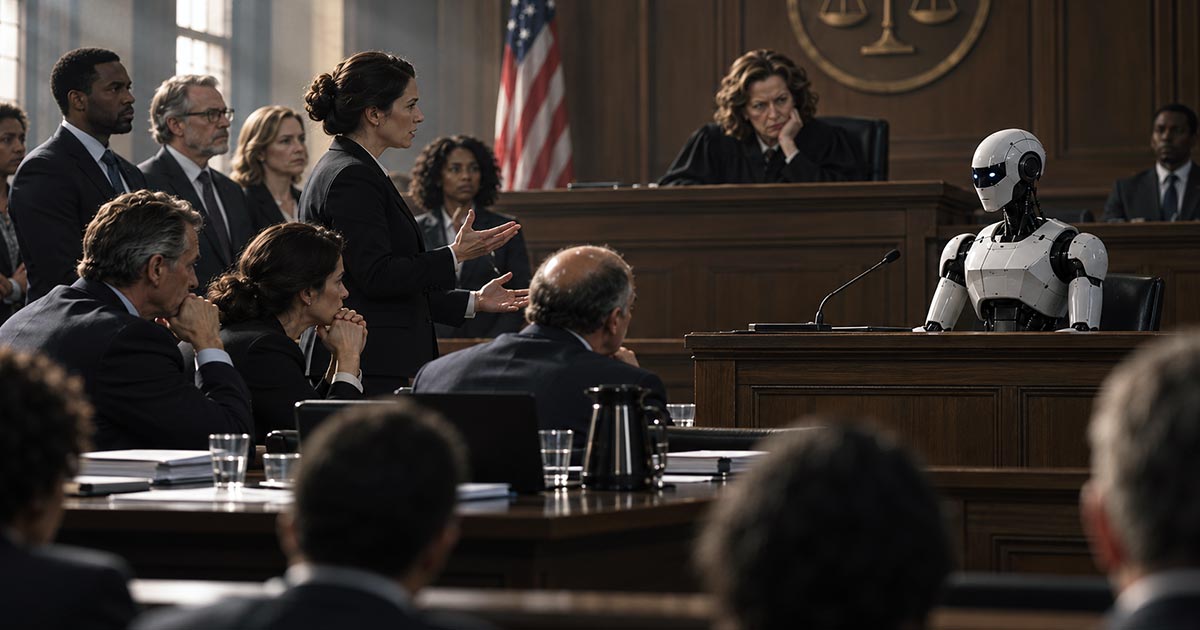
The lawsuit against Workday began as a challenge to software that can determine which job applicants ever reach a human recruiter. Now, the case is expanding beyond its original allegations of race, age, and disability discrimination to include claims involving sex discrimination and California employment law.
On March 6, U.S. District Judge Rita F. Lin partially denied Workday’s motion to dismiss, allowing several claims to continue while dismissing others with permission to amend. The ruling follows a January decision that allowed three additional plaintiffs to join the lawsuit and introduced new claims under federal and California law.
Workday challenged whether job applicants can bring disparate impact claims under the federal Age Discrimination in Employment Act. Judge Lin rejected that argument, consistent with her earlier ruling. The court reached a different conclusion on the California claims, finding that the plaintiffs hadn’t provided enough detail about what allegedly unlawful conduct occurred in the state.
One plaintiff’s disability claim was also dismissedA court's termination of a charge or case. A dismissal does not always prevent the charge from being filed again. because the complaint didn’t adequately explain how Workday’s screening tools allegedly discriminated against applicants with her physical disabilities. The plaintiffs have until March 27 to amend those claims.
Subscribe to Field Notes
The stories and ideas I don’t want you to miss.
The broader case continues, and the allegations now extend beyond the circumstances that brought Derek Mobley to court in 2023. The additional plaintiffs weren’t necessarily applying to the same employers or seeking similar positions. What connects their claims is Workday’s hiring technology, which they allege produced discriminatory outcomes across different companies and hiring processes.
That distinction raises a difficult question about responsibility. An employer may have the final say in hiring, but the software can determine which applicants are considered in the first place. When the same screening technology is used by multiple employers, a problem with how that technology evaluates applicants could affect people who have otherwise little in common.
The complaint describes several ways this could happen. Extensive work experience might serve as a proxy for age, while certain educational backgrounds could correlate with race. The plaintiffs also allege discriminatory effects involving sex and disability. Whether the applicants can establish that the screening practices actually produced unlawful discrimination remains unresolved.
What has changed is the scope of the challenge. Workday is defending claims involving multiple protected groups and applicants from different hiring processes, all tied to technology the company provides. If the plaintiffs can establish that a common screening system caused discriminatory outcomes, the responsibility for those decisions may extend beyond the employers that ultimately rejected their applications.