A police officer already has plenty of information they can’t release. Criminal investigations, confidential personnel records, protected personal information, and security details aren’t things officers should be discussing with just anybody. Those restrictions come with the job, and there’s a good reason for them.
So when a city decides its officers need to sign an additional nondisclosure agreement, I want to know what problem that agreement is supposed to solve.
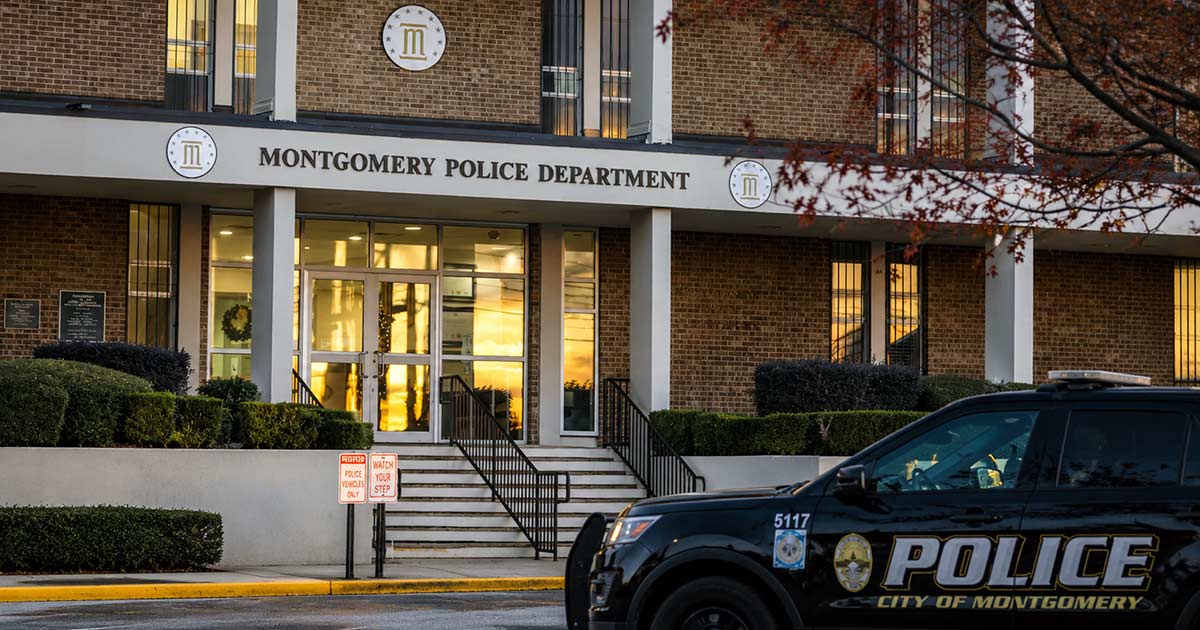
According to reporting by 1819 News, Montgomery, Alabama began sending NDAs to employees across city departments in August 2026. By late September, officers with the Montgomery Police Department were reportedly being asked to sign the same or a similar agreement.
The language published covers the kinds of information you’d expect a city to protect, including investigative material, personnel records, passwords, and security information.
Subscribe to Field Notes
The stories and ideas I don’t want you to miss.
But it also reaches email correspondence, verbal communications, information shared in meetings, and other material obtained through city employment. Employees are directed not to disclose covered information without authorization or a legal requirement to do so.
The agreement says the obligation continues after employment ends and warns that unauthorized disclosure can lead to discipline, including termination.
Retired Montgomery officer Everette Johnson, who leads the local Fraternal Order of Police lodge, questioned the timing and the effect it could have on public trust. I think the timing is a fair question, but the scope of the agreement concerns me more.
A supervisor should be able to tell an officer not to release sensitive investigative information. That isn’t controversial. But an email or a conversation during a meeting isn’t necessarily confidential just because it happened at work. Public employees deal with public business, and some of that business is information the public has a right to examine.
There’s also a difference between an officer improperly leaking protected information and an employee raising legitimate concerns about the operation of a government agency. A confidentiality agreement shouldn’t leave employees guessing whether they can speak up without risking their jobs.
The agreement includes an exception for disclosures required by law and references Alabama’s Open Records Act. That’s relevant, but I’d still want to know how the city intends to apply the agreement, who decides what information is confidential, and what protections employees have when reporting misconduct or other legitimate concerns.
The city may have a specific problem it’s trying to address. If so, it should be able to explain the problem and why existing laws, policies, and disciplinary procedures weren’t sufficient.
Government agencies have responsibilities that private businesses don’t. They’re spending public money, exercising public authority, and making decisions on behalf of the people they serve.
They still need to protect information that genuinely belongs behind closed doors. But the purpose of confidentiality ought to be protecting that information, not making the agency itself harder to question.