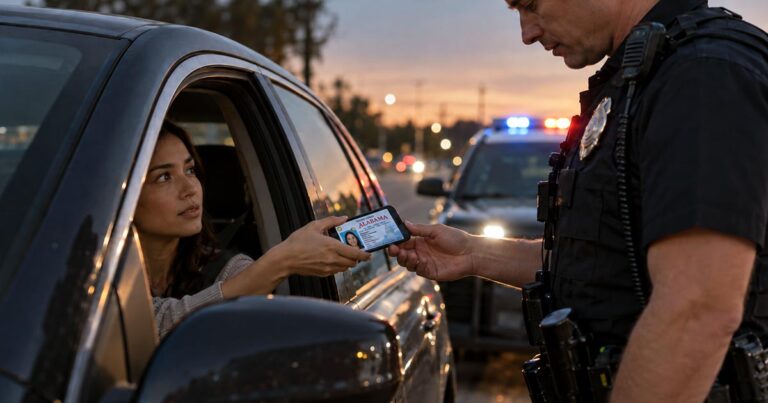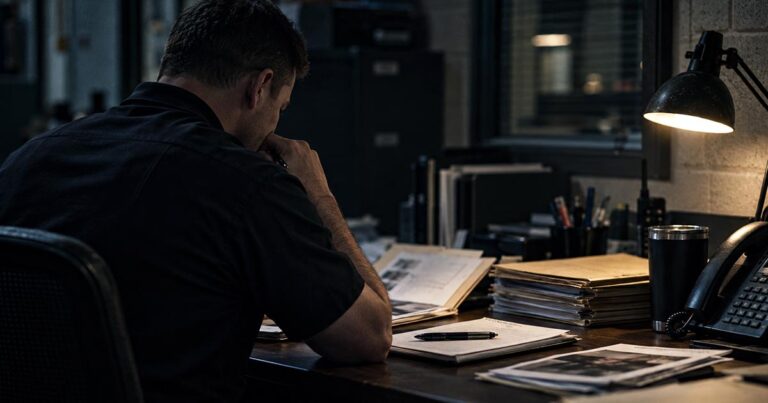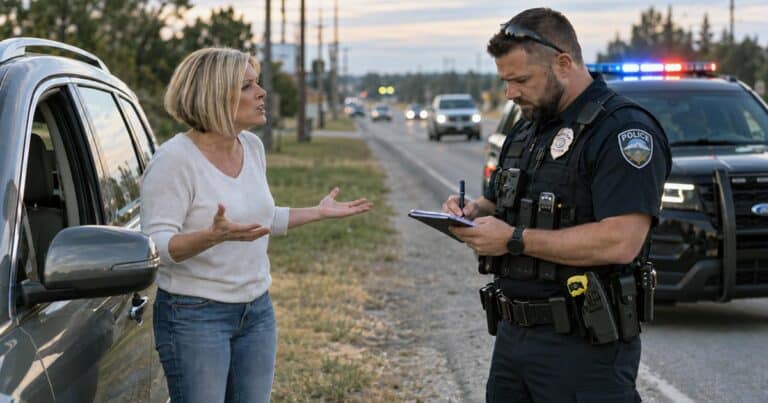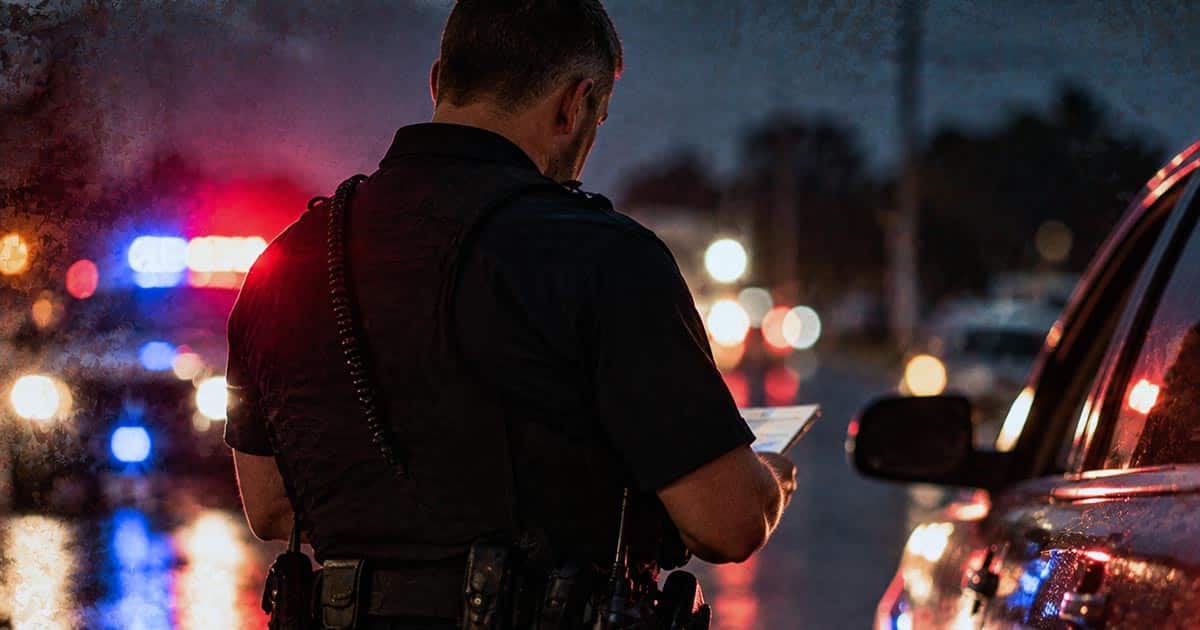
If you only see the blue lights, you’re only seeing a small part of the day in a small police department. From the outside, quiet can look like we’re sitting around waiting for something to happen. From my side of the desk, it usually means I finally have time to work on everything the last call interrupted.
A small department doesn’t have a separate person for every job. The same people answering calls may also be writing reports, following up on cases, checking equipment, dealing with vehicles, keeping up with training, preparing for court, answering public questions, and trying to figure out why something that worked yesterday doesn’t work today.
Small departments are a lot more common than people probably realize, and not some odd little corner of policing that’s unique to Louisville. In 2020, there were 11,788 municipal police departments in the country, and almost half had fewer than ten full-time sworn officers. Nearly half of those smaller departments had four or fewer. Alabama looks similar.
I can start my day with a list of things I need to finish and lose the whole plan with one call. That’s normal. Even a call that looks simple from the outside may mean talking to several people, sorting through different versions, deciding what the police can actually do, checking records or video, collecting evidenceInformation or an item that may help prove or disprove a fact in an investigation or court case., and then documenting all of it. Another call can come in before any of that is finished.
Subscribe to Field Notes
The stories and ideas I don’t want you to miss.
When the patrol car leaves, the work doesn’t leave with it. A report may still need to be written or reviewed. A witnessA person who saw, heard, knows, or can provide information about an incident or fact under investigation. may need another call. Video may need to be checked. A warrant may need to be prepared. Court may be coming. Something that looked settled at the scene can change when another person talks, another piece of evidence turns up, or somebody finally sends the video they mentioned.
That’s how a busy day follows you into the next one. The calls may be over, but the reports, follow-up, maintenance, and administrative work are still sitting there when the phone rings again.
The jobs stack up too. Some days I’m the chief. Some days I’m the patrol officer, investigator, recruiter, maintenance coordinator, public information officer, purchasing department, and computer help desk before lunch. Vehicles still need service. Radios, cameras, computers, and other equipment still have to work. Evidence still has to be handled correctly. Training, certifications, schedules, policies, and budgets don’t disappear because the agency is small.
That’s also why I look at police equipment as a leadership decision, not just a purchase. If I make a bad decision on a vehicle, camera, radio, or piece of software, I don’t have another division to hand the problem to. The same people using it are usually the same people dealing with whatever headache came with it.
I don’t need arrests or emergency calls to prove we’re doing something. If nobody is getting hurt and nothing major is going wrong, I’m good with that. Quiet time is when a lot of the rest gets done. It’s also when we can check an area people have complained about, stop by a business, watch traffic, talk with somebody who has a question, or follow up on something before it turns into the next call.
That part is hard to measure because a lot of it doesn’t look like much from the outside. Knowing the place and the people doesn’t replace evidence, and it doesn’t change what the law lets me do. It does help me recognize when the same problem keeps showing up, when the fifth complaint is really part of the same issue, or where it may be worth spending some time before the phone rings again.
If the only work people count is the part they can see on the roadside, most of the day is going to be invisible. I’m fine with that. My goal isn’t to make the department look busy. It’s to keep the town safe and make sure the work gets done.
Some days that means an arrestTaking a person into legal custody based on probable cause, a warrant, or another lawful authority. or an emergency response. Other days it means reports, phone calls, equipment, court, training, maintenance, follow-up, or finally fixing the computer problem that’s been waiting since Tuesday. A quiet day isn’t an empty day. Sometimes it’s the only chance we get to catch up before the next one stops being quiet.