A police chief answers to somebody, and the people he answers to are allowed to ask hard questions about how the department runs, how the money gets spent, and whether the town is getting what it expects. That part isn’t the problem.
The problem starts when the question stops being about the department and becomes about one ticket, one arrest, or one officer, and the person asking already has an outcome in mind.
It comes from more places than the mayor’s office. A council member’s friend gets a ticket. A business owner who knows everyone at the council meeting is unhappy about an arrest outside his place. A prosecutor decides a particular officer’s cases aren’t worth the trouble, or leans on the chief about a charge before the investigation is finished. An applicant for an open position shows up with a council member’s recommendation and gets measured against a different standard than everybody else who applied.
None of them has to give an order. In a small town, a phone call asking why something was handled the way it was gets understood without anyone raising their voice.
Subscribe to Field Notes
The stories and ideas I don’t want you to miss.
Every one of those people has a legitimate role. Council sets the budget, prosecutors decide what to charge, and citizens are entitled to complain. The test is whether the same facts would get the same answer for a stranger. A complaint about an officer deserves a look no matter who makes it, and it should get that look even when the person making it is the mayor’s neighbor.
It becomes a problem when it only gets traction because of who made it. The test cuts against chiefs, too. Some of them call every uncomfortable question political, and if the question is about misconduct or bad management, the chief owes an answer.
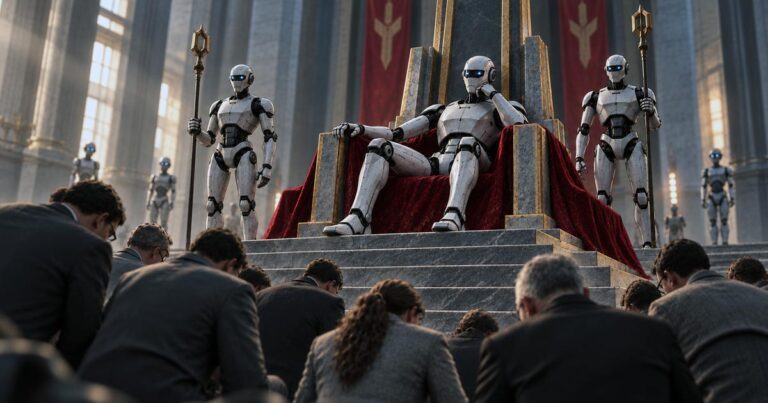
When the test fails and nobody stops it, enforcement gets decided by people with no training in it, no responsibility for the result, and nothing to lose if they’re wrong. The council member doesn’t testify when the stop gets challenged or explain to the state why a case fell apart. The officer and the chief do. Whoever has the best access to the people in power ends up setting the standard, and the same violation produces a ticket for one driver and a phone call for another.
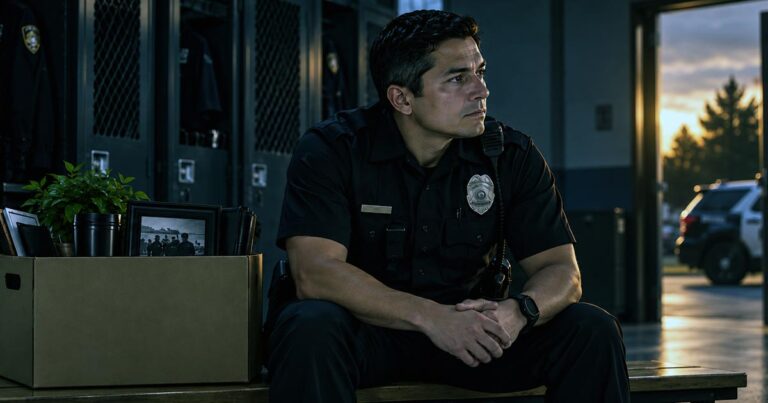
The officers learn it faster than anyone. Take one who makes a solid arrest on a Friday night and finds out Monday that the chief spent the morning on the phone about it. Nobody has to tell him it was a mistake. He knows who was on the other end, he remembers what happened to the last guy, and the next time he’s standing in the same situation he’s working out who the person knows before he decides what to do.
After enough of that, he figures any decision he makes can be undone, so he quits making the ones that might be. The department still has a patrol schedule and a badge, but the law enforcement is happening somewhere else.
Whether any of this works depends on who’s sitting in the chief’s chair, because the calls come either way. A chief who’s scared for his job hears every one as a vote on his future and starts settling things before anyone has to ask. A chief who’s a pleaser doesn’t feel the threat so much as he can’t stand for anybody to be unhappy with him, so he finds a way to hand the caller something.
Neither has to be corrupt, and neither is hard to read. Word gets around that this chief can be moved, and after that the calls get easier to make and the answers get easier to predict. The officers pay first, in the arrests that get undone.
The public pays after, mostly without knowing it: the resident whose complaint went nowhere because she didn’t know anybody, the driver who got the ticket his neighbor didn’t, the case that quietly disappeared. A chief who can say the answer will be the same no matter who asks gives his officers something to stand on, and he gets there by taking the call, hearing the person out, and telling them no when the facts say no, even when the person can make his life harder.