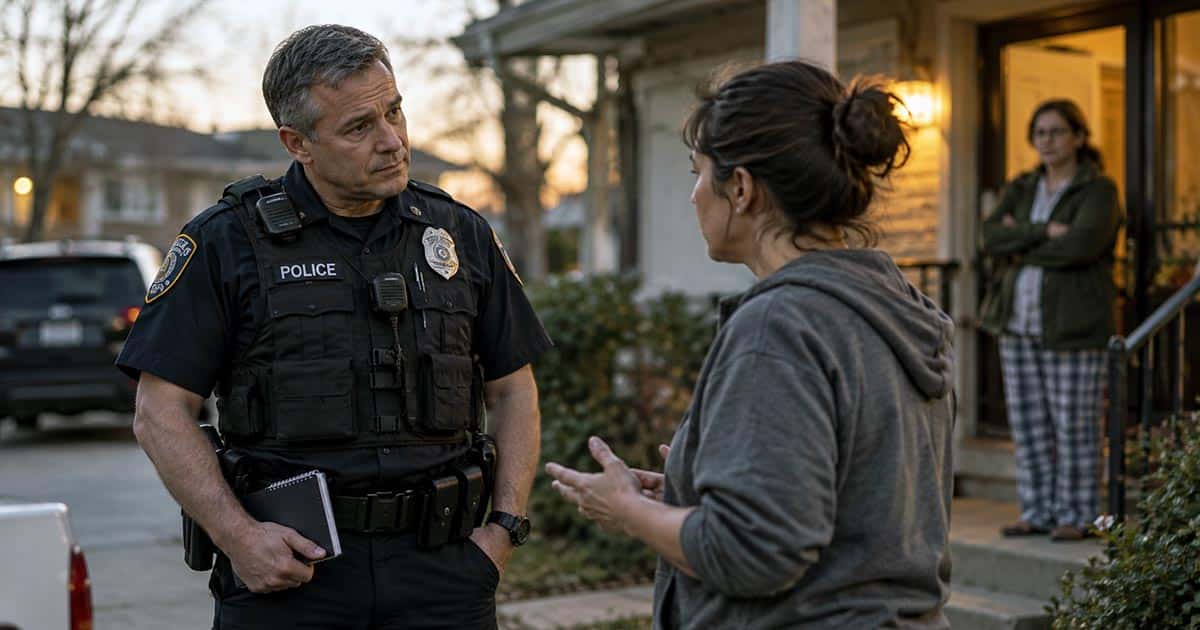
Most of what I call experience started out as questions. I ran into situations I hadn’t seen before, slowed down, listened, asked what happened, and tried to figure out what I was missing.
After enough years, some of those questions turn into patterns. I recognize certain problems faster now than I did early on. That’s useful. It’s also where experience can get me in trouble. The more familiar something feels, the easier it is to believe I already know the rest of the story.
I’ve seen enough arguments to recognize when one is starting to move toward a fight. I’ve reviewed enough reports to notice when something important seems to be missing. I’ve listened to enough explanations to know when one part doesn’t fit the rest of what I’m hearing.
Those instincts come from repetition, training, mistakes, correction, and seeing what happened after earlier decisions. I trust them enough to tell me where to look first. I don’t trust them enough to call them proof.
Subscribe to Field Notes
The stories and ideas I don’t want you to miss.
Two situations can look almost identical from the outside and still require different decisions. One fact can change what the law allows. A person who looks calm may be the one in danger. An explanation I’ve heard a hundred times may have been false the first ninety-nine and true the next one.
The problem starts when my first answer begins controlling every question that comes after it. I can still ask questions and listen to people while only hearing the parts that support what I already decided. I may think I’m gathering information when I’m really just building a case for my first impression.
The same thing can happen in leading people. I know people well enough to recognize familiar explanations, repeated mistakes, and recurring conflicts. That history gives me context. It doesn’t make the current situation a copy of the last one.
One of the checks I use is simple: what fact would make me change my conclusion? If I can’t answer that, I’m probably too attached to the answer I already have.
I also try to separate what I actually know from what I’m assuming. Who haven’t I heard from? What am I taking for granted? Am I treating a familiar pattern like a finished investigation? None of that means I always get unlimited time to decide. Sometimes I have to act before every fact is available. Experience helps with that too. It gives me something to work from when the picture is incomplete.
What I don’t want to confuse is urgency with certainty. I can make the best decision I can with what I know now and still be willing to correct course when new information changes the picture. I’ve been wrong enough times to know the first version of a story is often incomplete.
Experience should make me faster at recognizing what I’m looking at.
It shouldn’t make me harder to correct when I’m wrong.