When most people talk about leadership, they start with the leader.
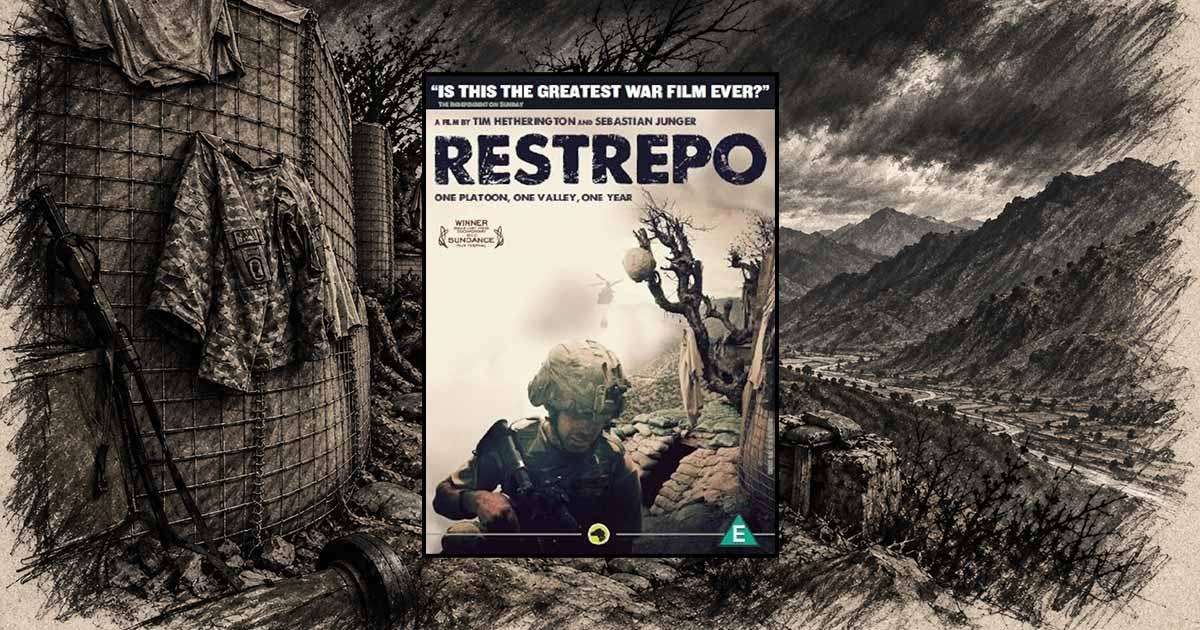
Restrepo starts with the team.
The documentary follows soldiers from the 173rd Airborne Brigade during a deployment to Afghanistan’s Korengal Valley. Nobody stops to explain who has influence and why. You just see it in who people listen to, who they trust, who stays steady when things go bad, and who can change the mood of the group without needing rank to do it.
I spent a decade in Afghanistan under very different circumstances, and that part of the film felt familiar. Put people together long enough and a structure forms underneath the official one. The chain of command is still there, but it isn’t the only thing holding the team together.
Subscribe to Field Notes
The stories and ideas I don’t want you to miss.
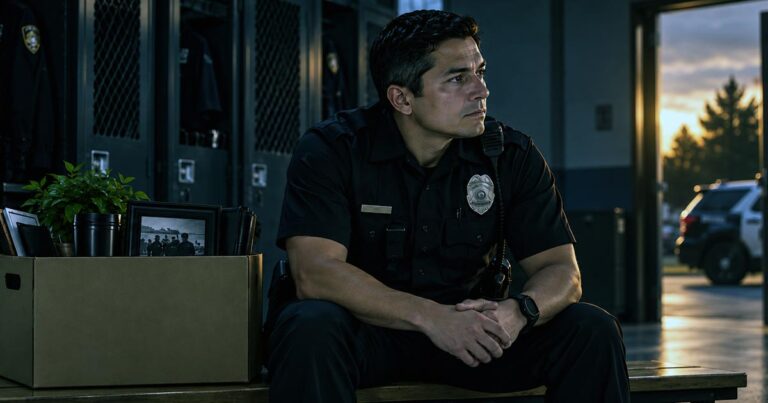
Police departments work the same way. A new sergeant can make an announcement in the briefing room, and half the officers glance at the ten-year patrol officer with no title to see how it landed. The sergeant has the authority, but not necessarily the room.
That influence isn’t good by default. The person everybody looks to can steady a team or pull it somewhere bad. What I care about is knowing who has that influence and why the group gave it to them.
The film also shows why credibility is hard to separate from being there. Those soldiers share the same place and the same conditions, and they watch each other constantly. They know who understands the work because they see it every day. Nobody has to tell them.
A leader doesn’t have to do every job the people around them do. My responsibilities as chief are different from an officer’s on a shift. But I don’t want so much distance that I lose touch with what the work actually feels like for the people doing it.
A person’s title tells me who is supposed to be leading. The team usually tells me a lot more about who actually is.