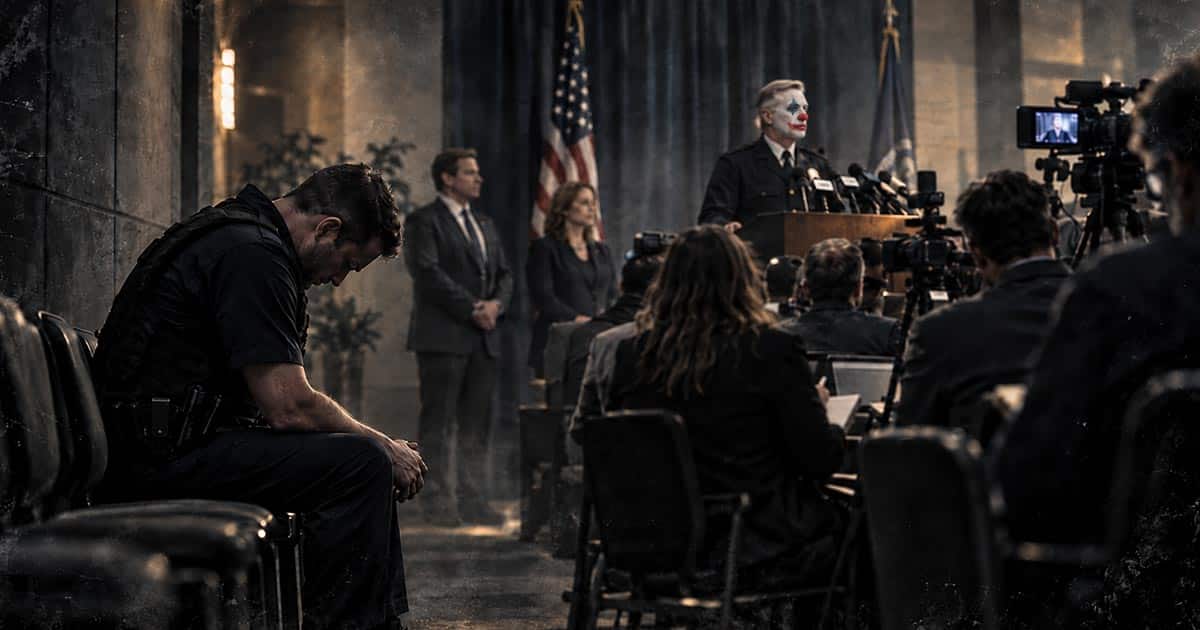
I’ve never believed being chief means I owe an officer blind loyalty. If one of mine is wrong, I have to deal with it. That may mean coaching, discipline, termination, or standing in front of the public and saying we got something wrong. What I won’t do is decide he’s wrong because defending him became difficult.
A serious incident can force me to act before I know exactly what happened. I may change an assignment, put an officer on administrative leave, preserve evidence, call in another agency, or limit what I can responsibly say. Those may all be necessary decisions, but they aren’t a verdict.
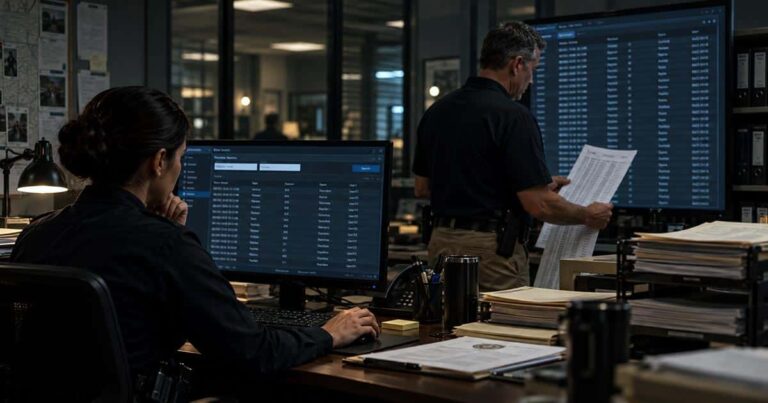
Sometimes the most accurate answer I have is, “I don’t know yet.” That answer gets harder when a video is circulating, people want somebody blamed, and the phone starts ringing. But the investigation still has to answer the same questions: What did the officer know at the time? What happened before the clip everybody is sharing? What do the reports and video actually show? What does policy say? What are we still missing?
There’s a real question about what a chief owes the public while an investigation is still underway, but giving people a confident answer before I’ve earned it doesn’t make me transparent. It just makes me early.
Subscribe to Field Notes
The stories and ideas I don’t want you to miss.
Pressure can quietly change the question from what the facts support to which answer creates the least trouble for me. That’s where I have to be careful. If the cameras, phone calls, angry posts, and political heat disappeared, would I still reach the same conclusion?
If the answer changes when the pressure changes, I need to know why.
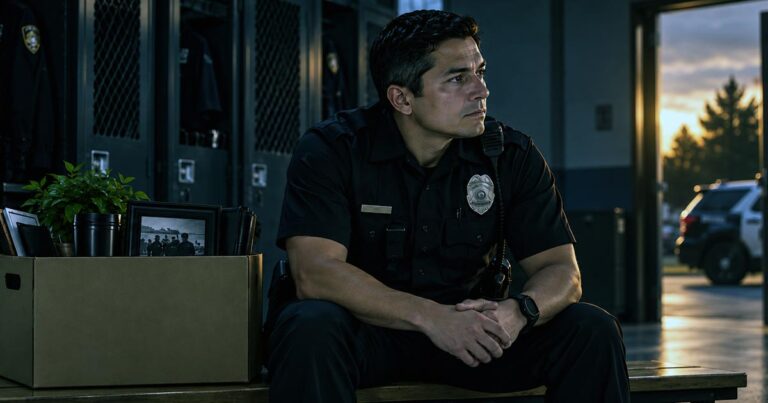
Telling the truth about your own department also means accepting an answer that makes leadership uncomfortable. The officers already here, and the ones who might want to work here, are watching what happens next.
They notice when a favorite gets protected after being wrong, and they notice when a defensible officer gets hung out to dry because leadership decides he’s become too expensive to defend. Those are different failures, but both tell people the facts only matter until they become inconvenient.
I don’t want officers believing I’ll protect anything they do. I also don’t want them wondering whether a defensible decision will cost them their career if it looks bad enough on camera. That’s one of the ways good cops eventually stop caring. They start thinking about how to protect themselves from the organization before they think about doing the job.
If the facts say the officer screwed up, I’ll own that answer. If they say he acted properly, I’ll own that one too. The officer doesn’t get a guaranteed outcome, and I don’t get to pick the outcome that’s easiest for me.
That’s the part of the job I owe him.